
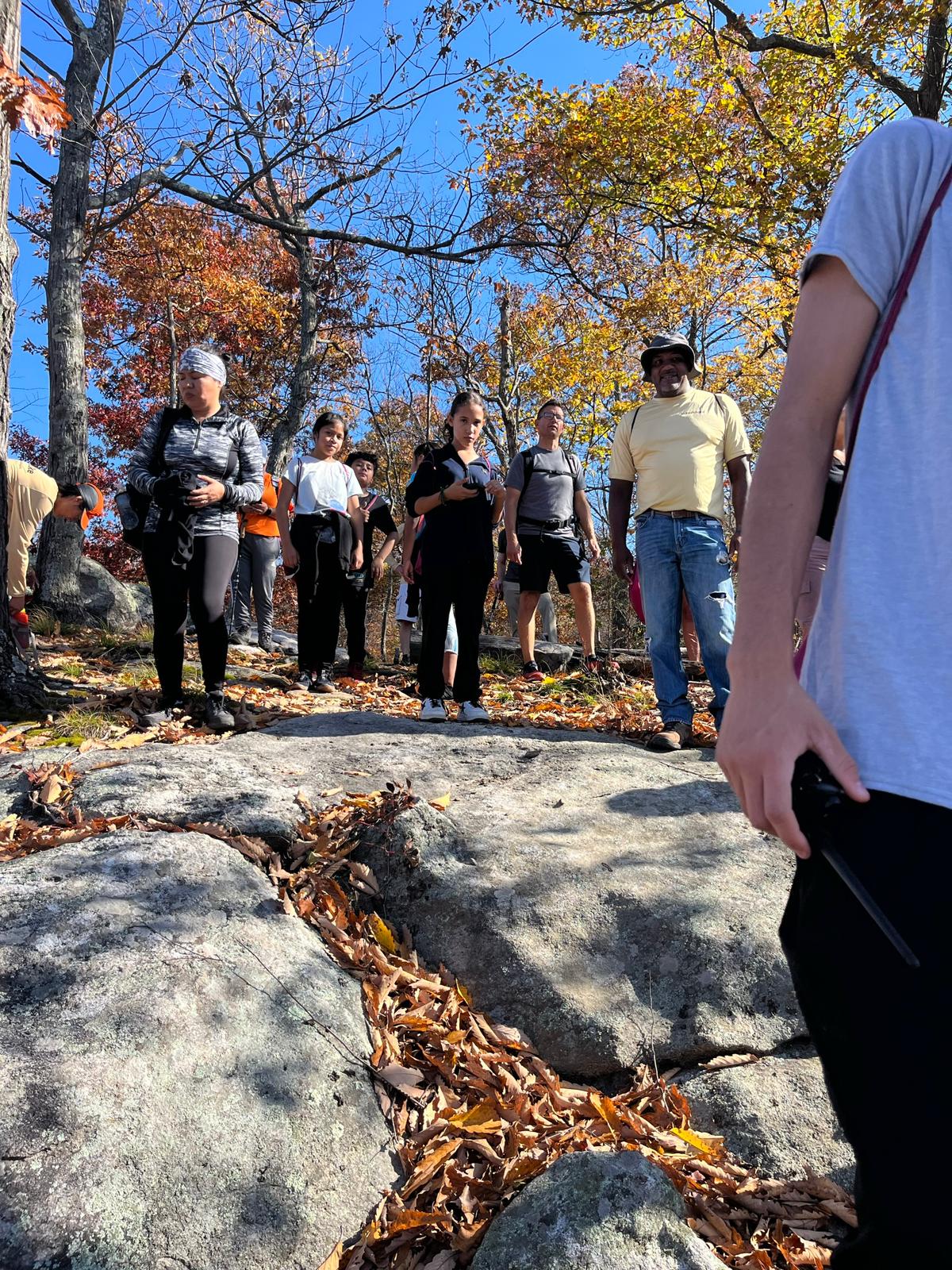
7 Proven Ways Hiking Builds Leadership and Confidence in Kids
Hiking can be much more than a walk through the woods. For children, hiking builds leadership skills by creating natural opportunities to communicate, solve problems, support others, and gain confidence through real outdoor experiences.
A child does not need to reach the top of a mountain to feel successful. Sometimes confidence begins with completing a short trail, helping another hiker, spotting a trail marker, or making a good decision for the group.
At Take-A-Hike NJ, outdoor experiences are designed to give young people opportunities to explore nature in a safe, supportive environment. For children who may be experiencing the outdoors for the first time, even a simple hike can become an important step toward greater independence and self-belief.
Here are seven meaningful ways hiking can help children develop confidence and leadership skills.
1. Hiking Gives Kids Real Opportunities to Make Decisions
Leadership often begins with small decisions.
On a hiking trail, children regularly encounter situations that require them to observe what is happening around them and decide what to do next. They might notice a trail marker, decide where to step on uneven ground, determine when they need water, or help the group recognize that someone needs a short break.
These decisions may seem simple to adults. However, for a child, they can create a valuable sense of responsibility.
Instead of receiving instructions every moment, children have opportunities to think independently while still being supported by responsible adults.
For example, a guide might ask a young participant to help identify the next trail marker. Another child may be invited to help choose an appropriate place for the group to stop.
Gradually, children begin to understand that their observations and choices have value.
That feeling matters because confidence grows when children experience success for themselves.
For young people who are new to hiking, these moments can be especially meaningful. Take-A-Hike NJ has seen how introducing children to their first outdoor adventures can open the door to new experiences, curiosity, and personal growth.
2. How Hiking Builds Leadership Skills Through Teamwork?
Leadership is not only about taking charge. Strong leaders also know how to cooperate, listen, communicate, and support other people.Through teamwork and shared responsibility, hiking builds leadership and confidence in kids without making personal growth feel like a formal lesson.Through teamwork and shared responsibility, hiking builds leadership skills in a natural and enjoyable way.
Hiking gives children many opportunities to practice those skills without turning the experience into a classroom lesson.
One child may hold a branch aside for another participant. Someone else might remind the group to stay together. Meanwhile, another young hiker may encourage a friend who is struggling with a difficult section of the trail.
These small actions teach an important lesson: the group succeeds when people look out for one another.
In addition, hiking creates a shared experience. Everyone may walk at a different pace, notice different things, or react differently to a challenge. Therefore, children learn that teamwork often requires patience and flexibility.
They also begin to understand that leadership can look different from person to person.
One child may naturally speak up, while another leads by staying calm or helping someone quietly.
That sense of connection is one reason hiking together can be so valuable. Shared outdoor experiences can turn individual progress into a group achievement.
3. Hiking Helps Children Work Through Challenges
Every trail includes challenges.
Sometimes the ground becomes rocky. A hill may feel longer than expected. The weather may change slightly, or a young hiker may simply become tired.
These moments provide children with a safe opportunity to practice persistence.
Rather than immediately giving up, they can learn to slow down, take a break, ask for help, and continue when they are ready.
As a result, children begin to discover that difficulty does not always mean failure.
That lesson can be powerful.
A participant who initially says, “I can’t do this,” may later realize that the challenge became manageable once it was broken into smaller steps.
Eventually, reaching the next viewpoint or completing the trail provides something more meaningful than praise alone. The child has personal evidence that they handled a difficult moment.
This is one way hiking can build confidence.
The goal is not to push children beyond reasonable limits. Instead, supportive outdoor programs can create manageable challenges where young people have space to try, adjust, and succeed.
4. How Hiking Builds Leadership Skills Through Responsibility?
Responsibility is an important part of leadership, and hiking provides many simple ways for children to practice it.
Before a hike begins, participants may need to prepare a water bottle, wear appropriate footwear, check their belongings, or listen carefully to safety instructions.Learning responsibility on the trail is another way hiking builds leadership skills in children.
Once the group is on the trail, they can learn to stay with their partners, respect trail rules, carry their own supplies, and care for the environment around them.
None of these responsibilities needs to feel overwhelming.
Instead, each task gives children a chance to understand that their actions matter.
For instance, remembering to bring water becomes more meaningful when a child understands why hydration is important. Likewise, staying on a marked trail teaches more than following a rule; it also introduces respect for natural areas.
The U.S. National Park Service also recommends planning ahead, choosing an appropriate trail, carrying proper supplies, and understanding your group’s abilities before beginning a hike.
Over time, small responsibilities can help children become more confident about managing themselves and contributing to a group.
5. Hiking Shows Kids That Leadership Includes Helping Others
Children sometimes imagine a leader as the person standing in front and telling everyone what to do.
The outdoors can offer a different lesson.
On a hike, some of the strongest examples of leadership happen quietly.
A child might notice that another participant has fallen behind and slow down. Someone may share an encouraging word with a nervous first-time hiker. Another participant might help a teammate understand a trail sign.
These actions demonstrate empathy, awareness, and responsibility.
More importantly, children learn that they do not need a title to lead.
Anyone can make the group stronger by being thoughtful and dependable.
This understanding can help children who are naturally quieter recognize their own leadership abilities. They may not want to be the loudest person in the group, yet they can still make meaningful contributions.
At the same time, more outspoken children learn that leadership also involves listening.
Together, those experiences can create a healthier and more inclusive understanding of what it means to lead.
6. How Hiking Builds Leadership Skills Through Achievement?
Confidence becomes stronger when children can connect it to something they actually accomplished.This sense of achievement is another reason hiking builds leadership and confidence in kids through real, memorable experiences.
A hiking trail provides a clear example.
At the beginning, a child may wonder whether they can finish the route. Later, they can look back and recognize every hill, turn, and challenge they worked through along the way.Completing a challenging trail shows how hiking builds leadership skills while strengthening confidence and resilience.
That sense of achievement belongs to them.
Adults can certainly provide encouragement. However, completing the experience gives children their own evidence of progress.
For some young hikers, success might mean reaching a scenic viewpoint. For others, it could mean walking farther than they expected or overcoming nervousness about being outdoors.
There is no single definition of success.
What matters is giving children opportunities to notice their own growth.
In addition, positive outdoor experiences can create memories that children carry with them long after the hike ends. A photo from a trail, a conversation with a friend, or the feeling of completing something difficult can become a reminder of what they are capable of achieving.
7. Nature Gives Kids Space to Discover Their Strengths
Children spend much of their lives in structured environments.
School schedules, activities, screens, and daily routines can leave limited time for exploration.
A hiking trail offers something different.
There is room to observe, ask questions, explore interests, and interact with other people in a less formal setting.
One child may become fascinated by wildlife. Another may enjoy photography, navigation, or identifying plants. Someone else may discover that they are good at encouraging others.
Because of this, outdoor experiences can reveal strengths that may not always appear in traditional settings.
A child who is quiet in a classroom may become highly observant on a trail. Another who struggles with a particular academic subject may discover confidence through physical activity or teamwork.
These discoveries can change how children see themselves.
Take-A-Hike NJ’s 2025 Impact Report offers a closer look at the organization’s efforts to create meaningful outdoor opportunities for young people and build a stronger foundation for future programs.
Why Hiking Builds Leadership and Confidence in Kids Naturally ?
Some of the most valuable learning happens when children do not feel like they are being taught.
Hiking naturally creates situations where communication, patience, decision-making, teamwork, and responsibility become necessary.
For that reason, outdoor leadership development can feel very different from sitting through a lecture.
A trail presents real situations.
Children make choices, experience the results, adjust when necessary, and keep moving forward.
Adults still play an essential role. Guides, volunteers, teachers, mentors, and parents provide safety, encouragement, and appropriate boundaries. However, children also need enough space to experience appropriate independence.
Finding that balance can make outdoor activities both enjoyable and meaningful.
Most importantly, every hike does not need to become a formal leadership exercise.
Sometimes children simply need time to walk, talk, laugh, notice their surroundings, and enjoy being outside.
Personal growth often happens naturally along the way.
How Take-A-Hike NJ Supports Youth Through Outdoor Experiences?
Take-A-Hike NJ works to make safe and meaningful outdoor experiences more accessible to young people across New Jersey.
Programs can create opportunities for children to experience hiking while developing teamwork, confidence, communication, and a stronger connection with the outdoors.
Accessibility is especially important because not every child has the same opportunity to explore nature.
Transportation, equipment, cost, adult supervision, and unfamiliarity with outdoor recreation can all create barriers.
By working with community organizations, schools, volunteers, and supporters, Take-A-Hike NJ aims to help reduce those barriers and create welcoming experiences for young participants.
The goal is not to produce perfect hikers or turn every child into the same type of leader.
Instead, outdoor experiences can give young people room to discover their own abilities.
One child may learn persistence. Another may develop stronger communication skills. Someone else may simply realize that they enjoy spending time outdoors.
Each experience has value.
Building Future Leaders One Trail at a Time
Leadership does not suddenly appear when a child reaches adulthood.
It develops gradually through experiences that teach responsibility, resilience, communication, empathy, and confidence.
Hiking can provide many of those experiences in a natural and memorable way.
A trail asks children to keep moving when something becomes difficult. Group adventures encourage them to support one another. Small responsibilities help them become more independent, while completing a hike gives them a genuine reason to feel proud.
Ultimately, hiking builds leadership and confidence in kids by giving them opportunities to make decisions, overcome challenges, and support others.
The lessons are not limited to the trail.
A child who learns to encourage a teammate, remain calm during a challenge, make a thoughtful decision, or believe in their own ability can carry those skills into school, friendships, family life, and future opportunities.Ultimately, hiking builds leadership skills by giving children opportunities to make decisions, overcome challenges, and support others
Every trail begins with a first step.
For a young person, that step may also become the beginning of greater confidence, stronger relationships, and a growing belief in what they can accomplish.
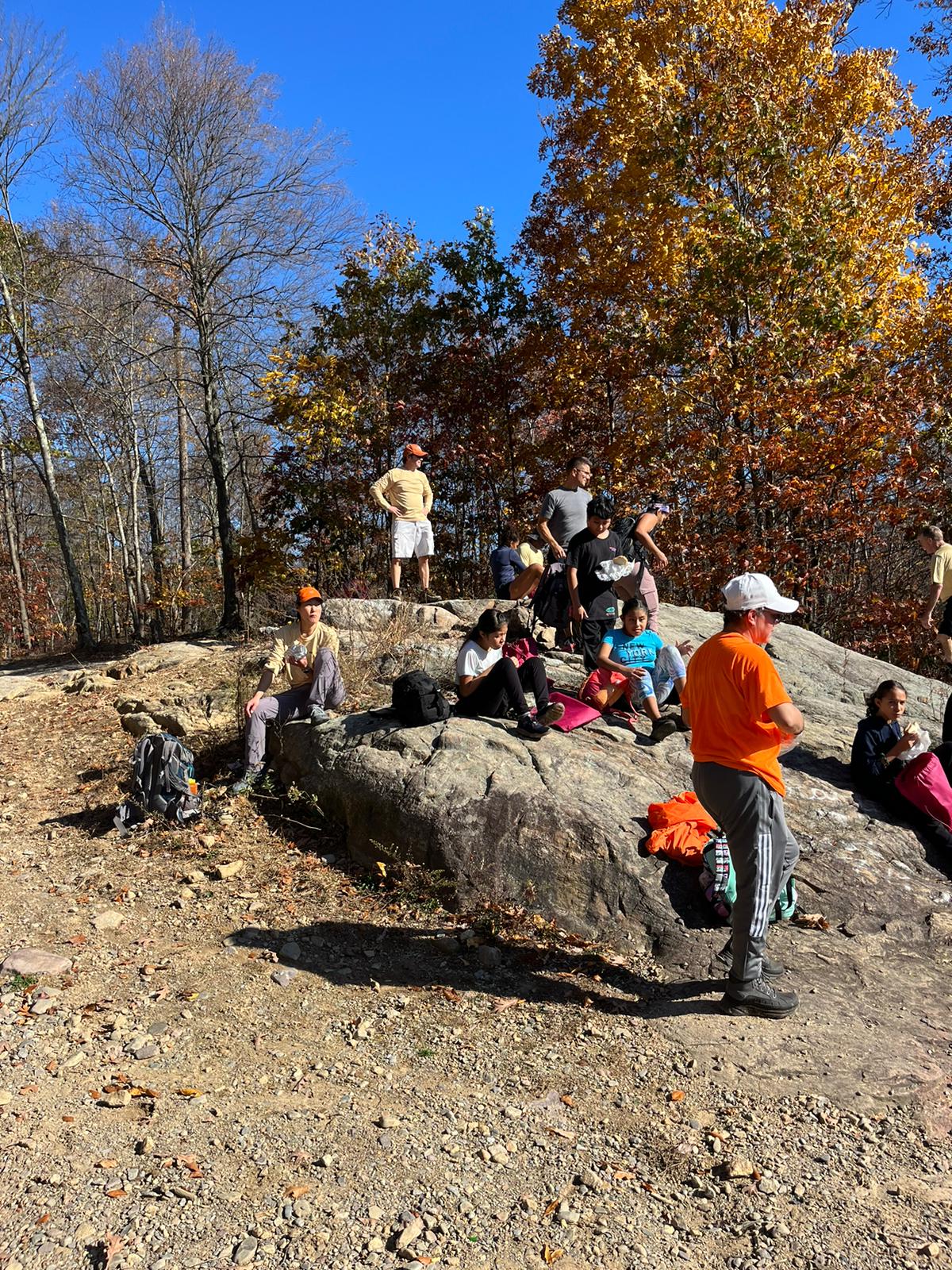
7 Powerful Ways Outdoor Adventures Empower Inner-City Youth
Outdoor adventures for youth can open the door to confidence, curiosity, teamwork, and meaningful connections with nature. For children growing up in busy urban communities, even a simple walk through a quiet forest can feel like entering an entirely different world. Traffic fades into the background, screens stay in backpacks, and young people have space to explore, move, think, and enjoy something new.
That simple change of environment can create meaningful opportunities for growth. Outdoor adventures empower inner-city youth by giving young people space to move, explore, make decisions, connect with others, and discover abilities they may not have realized they had.
At Take-A-Hike NJ, the goal is not simply to get children from the beginning of a trail to the end. Instead, each outdoor experience can become an opportunity to build confidence, encourage teamwork, promote healthy activity, and develop a positive relationship with nature.
For a child experiencing hiking for the first time, even a short trail can become a memorable adventure.
Why Outdoor Adventures Matter for Inner-City Youth
Access to outdoor recreation is not always equal. Transportation, equipment costs, unfamiliarity with hiking, and limited access to nearby natural spaces can make outdoor activities harder for some families to experience.
However, those barriers should not determine whether a child gets the opportunity to explore nature.
Programs that create safe and welcoming outdoor experiences can help make the outdoors feel more accessible. More importantly, children do not need to be experienced hikers or athletes to benefit. A manageable trail, supportive adults, comfortable pacing, and a positive group can provide an excellent introduction.
According to the National Park Service, hiking can support physical activity while also providing opportunities to enjoy nature and strengthen relationships with others.
That combination makes hiking especially valuable for young people.
1. Outdoor Adventures Empower Inner-City Youth Through Confidence
Confidence does not always develop through a dramatic achievement. Often, it begins with small moments.
A child may complete a hill that looked difficult at first. Another may learn how to follow a trail marker. Someone else might help a friend across a rocky section of trail.
Each success sends a simple message: I can do this.
As the hike continues, those small accomplishments begin to add up. Consequently, children may become more comfortable trying unfamiliar activities and solving problems independently.
Outdoor adventures also create situations where progress feels real. Instead of receiving a grade or score, children can physically see how far they have traveled.
Reaching a viewpoint, finishing a loop, or simply completing a first hike can create a genuine feeling of accomplishment.
Confidence Without Competition
One of the most valuable parts of hiking is that children do not have to compete against one another.
The fastest person does not need to “win.”
Instead, the group can move together, encourage one another, and celebrate everyone who completes the experience. As a result, children can focus on personal progress rather than comparison.

2. Outdoor Adventures for Youth Create Space to Slow Down
Children today spend much of their day surrounded by schedules, screens, classrooms, traffic, notifications, and other distractions.
A forest offers something different.
There is space.
Instead of constantly looking at a screen, a child might notice sunlight moving through the trees, listen to birds, watch water move through a stream, or stop to examine an unusual leaf.
Those moments may appear simple, yet they can encourage children to become more present and curious about their surroundings.
Moreover, research summarized by the National Park Service links time in nature with benefits such as improved mood, relaxation, attention, and overall well-being.
Hiking therefore does not have to feel like another structured lesson. Children can learn simply by observing, asking questions, and exploring.
3. Hiking Encourages Healthy Physical Activity
Hiking gets children moving without making exercise feel like a traditional workout.
They walk uphill, balance on uneven surfaces, move around rocks, and cover distances at a comfortable pace. Meanwhile, the changing scenery keeps the experience interesting.
The CDC reports that physical activity for children supports brain health, muscular fitness, bone strength, heart and lung health, and attention and memory.
Of course, a young person’s first outdoor adventure does not need to involve a difficult mountain.
In fact, shorter and easier trails often create a better introduction.
A successful first experience can leave a child wanting to return. That positive association matters because healthy habits become easier to maintain when the activity is enjoyable.
For children who are completely new to the trail, our guide to hiking together offers additional beginner-friendly advice.
Related reading: Join the Take-A-Hike NJ Club: Why Hiking Together Is Better Read the Take-A-Hike NJ guide
4. Outdoor Challenges Build Problem-Solving Skills
Trails are naturally unpredictable.Well-planned outdoor adventures for youth also create natural opportunities to practice problem-solving and decision-making.
A path may become muddy. A group might reach a fork in the trail. Someone may need to decide where the next trail marker is located.
Although adults remain responsible for safety, these everyday situations allow children to think.
For example, a guide might ask:
“Which direction does the marker point?”
“What should we do if the trail becomes slippery?”
“How can we help everyone stay together?”
Rather than immediately giving the answer, adults can allow children to observe, discuss, and suggest solutions.
Therefore, hiking becomes more than physical activity. It becomes an environment where young people practice judgment and decision-making.
Even better, the learning feels natural because the challenge is happening in real time.
5. Outdoor Adventures for Youth Build Teamwork and Leadership
A hiking group works best when everyone looks out for one another.
One child may notice a trail marker. Another may remind the group to stay together. Someone may encourage a friend who feels tired.
These small interactions help children understand that leadership is not simply about being in charge.
Leadership can also mean listening, helping, communicating clearly, staying calm, and supporting the group.
At the same time, children learn how to participate as team members.
They may take turns leading a section of trail, helping distribute supplies, identifying landmarks, or checking that nobody has fallen behind.
Those responsibilities can make children feel valued.
More importantly, they show young people that their actions can positively affect others.
Take-A-Hike NJ places teamwork and personal growth at the center of its outdoor experiences for young people.
Learn more about Take-A-Hike NJ’s mission and programs
6. New Outdoor Experiences Can Expand a Child’s World
For some participants, a Take-A-Hike outing may be their first meaningful experience on a hiking trail.
That matters.
A young person who has never walked through a forest may discover that they enjoy photography. Another child might become interested in wildlife, conservation, maps, geology, history, or simply spending time outdoors.
Suddenly, the outdoors becomes something they can imagine themselves being part of.
Instead of thinking, “Hiking isn’t for me,” the child begins thinking, “I know how to do this.”
That shift can be powerful.
Moreover, introducing children to the outdoors at a young age may help create a longer-lasting connection with nature. The National Park Service specifically encourages hiking with children as a way to help develop a lifelong relationship with the outdoors.

7. Positive Experiences Create a Connection With Nature
People are more likely to care about something when they have experienced it personally.
A child can read about forests, wildlife, clean water, and conservation in a classroom. However, standing beside a stream or walking beneath tall trees creates a different kind of understanding.
Nature becomes real.
During a guided hike, children can learn simple habits such as staying on designated trails, carrying out their trash, respecting plants, and observing wildlife from a safe distance.
These lessons do not need to sound like lectures.
Instead, they can become part of the experience.
For example, a guide might explain why hikers stay on a particular trail or why food wrappers should never remain in the woods.
Over time, those small lessons can encourage environmental responsibility.
Take-A-Hike NJ’s hiking guidance also emphasizes preparation, confidence, and responsible behavior on the trail.
Related reading: 7 Expert Hiking Tips to Empower Your Trail Adventure
What Makes a Great First Hiking Experience?
The best first hike is not necessarily the longest or most impressive trail.
Instead, it should leave a child thinking:
“I want to do that again.”
For that reason, beginner experiences should focus on comfort, safety, encouragement, and fun.
A few simple principles can make a major difference:
- Choose a manageable, well-marked trail.
- Bring enough water and snacks.
- Dress for the weather.
- Allow plenty of breaks.
- Keep the group together.
- Encourage questions and curiosity.
- Celebrate progress instead of speed.
- Give children appropriate opportunities to make decisions.
- Leave the natural area as you found it.
The National Park Service also recommends planning ahead when hiking with children and selecting routes that match their abilities.
Most importantly, adults should remember that the experience belongs to the children.
Stopping to look at a frog, unusual rock, waterfall, or bird may feel more important to a first-time hiker than reaching the planned viewpoint quickly.
That curiosity is part of the adventure.
Creating More Opportunities for New Jersey Youth
New Jersey offers forests, lakes, historic landscapes, waterfalls, wildlife areas, and hundreds of miles of trails.
Yet simply having natural spaces nearby does not guarantee that every child can experience them.
Transportation, equipment, guidance, and supportive adult supervision can all influence access.
That is why community organizations, schools, families, volunteers, nonprofits, and local partners can make such an important difference.
Take-A-Hike NJ works to create opportunities for children and teens to experience the outdoors in a safe, positive, and supportive environment.
The organization’s 2025 impact report describes guided hikes for youth from under-resourced urban communities in Passaic County and efforts to reduce participation barriers through transportation, food, equipment support, and adult supervision.
Each hike may last only a few hours. However, the memory of accomplishing something new can stay with a young person much longer.
Outdoor Adventures Can Begin With One Step
A child’s first hike does not need to change everything overnight.
Sometimes the most important outcome is much simpler.
A young person returns home feeling proud.
A young person may return home excited to tell someone about the view they saw. Helping a friend along the trail can become another memorable part of the experience. For others, the biggest surprise may be discovering how enjoyable a simple walk through the woods can feel.
Perhaps they even ask when the next hike will be.
That is how meaningful relationships with the outdoors can begin.
Ultimately, outdoor adventures empower inner-city youth because they provide opportunities to move, explore, cooperate, think, lead, and discover new possibilities.
One trail will not solve every challenge a young person faces. Still, one positive experience can open a door.
And sometimes, all a child needs is the opportunity to take that first step.
Join Take-A-Hike NJ
Take-A-Hike NJ helps young people experience nature through supportive outdoor adventures designed around exploration, confidence, teamwork, and connection.
Whether you are a parent, educator, community organization, volunteer, sponsor, or supporter, you can help create more opportunities for New Jersey youth to discover the outdoors.
Explore Take-A-Hike NJ and get involved
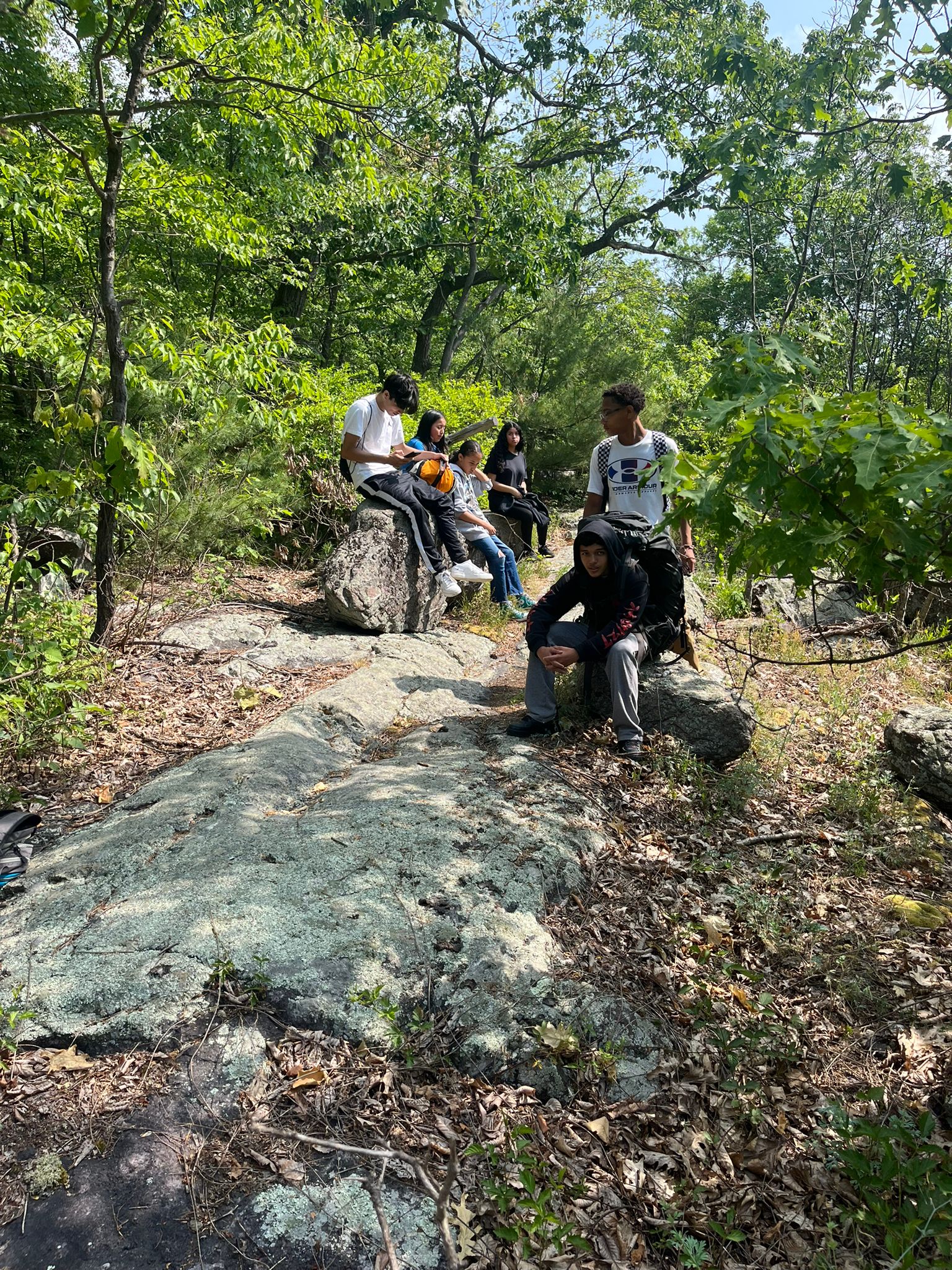
7 Powerful Reasons Hiking Is Perfect for Kids and Teens
Hiking gives young people something that can be difficult to find in everyday life: room to move, explore, think, and simply enjoy being outside. For families, schools, and youth programs looking for meaningful outdoor activities, hiking for kids and teens offers a simple way to combine physical activity, personal growth, social connection, and time in nature.
A hike does not need to involve a steep mountain or a long wilderness adventure. A short walk through a local forest, park, or nature trail can give children an opportunity to discover new surroundings, build confidence, connect with others, and take a healthy break from screens.
Here are seven powerful reasons hiking can be such a valuable activity for children and teenagers.
1. Hiking Keeps Kids and Teens Physically Active
One of the clearest benefits of hiking is movement.
Walking over natural terrain encourages children to use their whole bodies. Small hills, rocks, roots, and changing trail surfaces can make an ordinary walk more engaging while helping young hikers develop endurance, balance, and coordination.
The Centers for Disease Control and Prevention recommends that children and adolescents ages 6–17 get at least 60 minutes of moderate-to-vigorous physical activity each day. CDC physical activity guidelines for children and adolescents
In addition, hiking can contribute to that activity without making exercise feel like a workout.
Instead of counting repetitions or running laps, kids may be looking for trail markers, climbing a gentle hill, watching wildlife, or trying to reach the next viewpoint. The physical activity becomes part of the adventure.
That can be especially valuable for young people who do not feel connected to competitive sports.

Hiking for kids and teens on a nature trail
2. Time in Nature Can Support Mental Well-Being
Children and teenagers deal with busy schedules, school responsibilities, social pressures, technology, and countless daily distractions.
By contrast, nature offers a very different environment.
On a trail, the sounds of traffic and electronic notifications can be replaced by birds, wind, leaves, and conversation. Even a relatively short outdoor experience can create space to slow down and focus on what is happening in the moment.
Research reviewed by the American Academy of Pediatrics has found a positive relationship between children’s contact with nature and several areas of health, particularly physical activity and mental health. American Academy of Pediatrics research on nature and children’s health
This does not mean a hike is a substitute for professional mental-health care when a child needs it. Instead, outdoor experiences can be one healthy part of a young person’s overall routine.
Sometimes simply having room to walk, talk, observe, and breathe can make the day feel different.
3. Hiking Helps Build Confidence
Confidence often develops through small successes.
For a young person who has never spent much time on a trail, completing even a short hike can feel like an accomplishment.
One child may feel proud after climbing a hill that initially looked difficult. Another may gain confidence by identifying the right trail marker. Someone else may encourage a friend who is struggling and suddenly realize that they can be a leader.
These moments may seem small to adults, but they can matter.
Hiking gives children opportunities to experience progress in a very visible way. They can look back down a trail and literally see how far they have come.
That sense of achievement can be especially meaningful when adults allow children to participate in decisions, solve age-appropriate problems, and explore without rushing them.
4. Hiking Encourages Real Social Connection
A trail creates a different kind of social environment.
There are fewer screens competing for attention, and conversation often happens naturally while people walk together.
Children might talk about school, point out something interesting beside the trail, help someone across a muddy section, share a snack during a break, or simply laugh together.
For groups of kids and teens, hiking can also encourage teamwork.
They learn to stay together, pay attention to the group’s pace, communicate when someone needs a break, and support people who may have different levels of outdoor experience.
These are useful social skills that extend far beyond the trail.
Not every meaningful interaction needs to happen in a classroom or organized activity. Sometimes walking side by side gives young people the comfortable space they need to connect.

5. Hiking Gives Young People a Healthy Break From Screens
Technology is an important part of modern childhood, but young people also benefit from opportunities to engage with the world beyond a screen.
Hiking naturally provides those opportunities.
A young hiker may notice the texture of tree bark, hear an unfamiliar bird, follow animal tracks, photograph a landscape, or wonder where a small stream leads.
Those moments invite curiosity.
The goal does not have to be banning phones completely. A phone can even become a useful outdoor tool for taking photographs or learning about plants and wildlife.
What matters is creating a period when technology is no longer the center of attention.
Instead of scrolling through someone else’s experience, kids get to have an experience of their own.
6. Hiking Teaches Responsibility and Respect for Nature
Young people protect what they learn to value.
Hiking gives children firsthand experiences with forests, lakes, wildlife, trails, and open spaces. Rather than learning about nature only through a book or video, they can see how ecosystems work around them.
Simple trail habits can also introduce important lessons about responsibility.
Children can learn why hikers stay on marked trails, carry their trash out, respect wildlife, avoid damaging plants, and leave natural areas ready for the next visitor.
The U.S. National Park Service notes that hiking with children can help young people develop a lasting relationship with nature and encourages adults to prepare with essentials such as water, snacks, appropriate clothing, and footwear. National Park Service guide to hiking with kids
These experiences can help environmental stewardship feel personal rather than abstract.
A child who remembers exploring a beautiful forest is more likely to understand why protecting natural places matters.
7. Hiking Creates Memories That Kids and Teens Can Carry Forward
Some of the most meaningful childhood memories come from relatively simple experiences.
Reaching a viewpoint.
Seeing a deer between the trees.
Crossing a small stream.
Getting muddy after unexpected rain.
Sharing lunch on a rock.
Helping a friend finish a difficult section of trail.
These moments do not require expensive entertainment.
That is part of what makes hiking for kids and teens so valuable. Every outing can be slightly different, even when a group visits the same trail more than once.
Seasons change. Wildlife changes. Weather changes. The children themselves change.
A young person who was nervous during a first hike may eventually become the person encouraging someone else.
Those transformations are one reason outdoor programs can have such lasting value.
How Can Parents and Youth Programs Make Hiking More Enjoyable?
The best hike for a child is not necessarily the longest or most difficult one.
Start with an age-appropriate trail and focus on creating a positive experience. Bring enough water, snacks, suitable footwear, weather-appropriate clothing, and basic safety supplies.
The National Park Service also recommends choosing trails based on hikers’ abilities and planning ahead before heading out. National Park Service hiking safety guidance
Most importantly, allow young people to enjoy the journey.
Stop when they notice something interesting. Take breaks. Ask questions. Let them take photographs. Give them small responsibilities. Celebrate progress rather than speed.
For children who are new to hiking, a successful first experience can make them excited to return.
Why Hiking for Kids and Teens Matters
Hiking is more than walking from one point to another.
For young people, a trail can become a place to move their bodies, develop confidence, practice teamwork, experience nature, step away from everyday distractions, and discover what they are capable of doing.
The benefits do not depend on reaching a dramatic mountaintop.
Sometimes the most important moment happens halfway along an easy trail when a child realizes, “I can do this.”
At Take-A-Hike NJ, that spirit of discovery is at the heart of outdoor experiences for young people. By creating safe, supportive opportunities to explore the outdoors, we can help more children and teens build positive relationships with nature, with one another, and with themselves.
Every hike begins with a first step. For a young person discovering the outdoors, that first step may lead much farther than anyone expects.
Spring Hikes in NJ: 7 Epic Hidden Gems You’ll Love
Spring Hikes in NJ are one of the best ways to enjoy New Jersey’s wildflowers, waterfalls, fresh green forests, and peaceful spring weather. As the season changes, trails come alive with flowing streams, colorful blooms, birds, and scenic views, making spring the perfect time for families, beginners, and young hikers to explore the outdoors.
For families, beginners, and young hikers, Spring Hikes in NJ can offer the perfect balance of adventure and relaxation. You do not need to climb the hardest mountain in the state to enjoy the season. Some of the most memorable experiences come from following a woodland stream, discovering a small waterfall, watching birds near a lake, or simply stopping to notice the first flowers of the year. Families who enjoy exploring together can also join the Take-A-Hike NJ Club for more opportunities to connect with nature.
From peaceful forest paths to rocky ravines and mountain views, these seven destinations show just how much New Jersey has to offer when spring arrives.
Why Are Spring Hikes in NJ So Special?
Spring changes the hiking experience almost week by week.
Early in the season, hikers may find rushing streams, cool temperatures, and wide-open forest views before the tree canopy fills in. As the weeks pass, leaves return, woodland plants emerge, migratory birds become more active, and colorful blooms begin appearing in parks and forests.
New Jersey also has an impressive trail network, giving families many ways to enjoy nature throughout the season. If you are looking for more ideas, you can explore Take-A-Hike NJ outdoor adventures and discover more ways to help children connect with nature.
For children especially, spring hiking can turn an ordinary afternoon into an outdoor discovery experience. A flowing creek, unusual rock, bright flower, or animal track can become something worth stopping to investigate.
That sense of curiosity is one reason Take-A-Hike NJ works to introduce young people to meaningful outdoor experiences. Families interested in helping children become more comfortable outdoors can also read about guiding inner-city youth on their first outdoor adventures.

1. Spring Hikes in NJ at Hacklebarney State Park
Hacklebarney State Park in Long Valley is an excellent place to begin a list of Spring Hikes in NJ.
The heart of the park is the Black River, which moves through a rocky, hemlock-lined ravine. Rinehart and Trout Brooks also flow through the area, creating an environment that feels especially alive after spring rain.
NJDEP notes that the park contains nine hiking trails totaling about five miles, with several small waterfalls visible from higher trails. The combination of forest, moving water, rocks, and changing spring vegetation makes Hacklebarney feel much farther from everyday life than it actually is.
Rather than rushing through the hike, give children time to listen to the water, look beneath the trees, and notice how many different shades of green appear throughout the forest.
Best for: Families, nature photography, streams and shorter adventures.
Spring highlight: Cascading water surrounded by a cool woodland landscape.
Read our expert hiking tips for your next trail adventure
2. Scenic Spring Hiking in NJ at High Point State Park
High Point State Park gives hikers a completely different kind of spring experience.
Its extensive trail system passes through forests, wetlands, ridgelines, and an Atlantic white cedar swamp. Different routes make it possible to plan anything from a shorter nature walk to a more ambitious outing.
Spring is particularly interesting for visitors who enjoy plants. High Point’s natural areas support uncommon plant species, and NJDEP has even offered seasonal walks focused on searching for unusual spring blooms along the Cedar Swamp area.
For young hikers, this is a great place to turn a walk into a nature challenge. Instead of asking children to simply “finish the trail,” encourage them to notice flowers, listen for birds, photograph interesting plants without disturbing them, or count how many different natural textures they can find.
Best for: Wildflower lovers, families, nature observation and scenic views.
Spring highlight: Emerging blooms combined with forests and mountain scenery.
Discover more weekend expeditions in NJ
3. Spring Hikes in NJ: Waterfalls at Tillman Ravine
If rushing water is what you picture when you think of spring, Stokes State Forest belongs on your list.
Tillman Ravine is a cool, dramatic section of the forest shaped by Tillman Brook. Trails wind through a hemlock forest where hikers can see waterfalls, rocky slopes, and ferns growing around the ravine.
NJDEP describes Stokes as having more than 63 miles of trails, with destinations that include Tillman Ravine, Sunrise Mountain, the Appalachian Trail, and Stepping Stones Falls.
Spring rain can make forest streams particularly impressive, although wet conditions can also make rocks and roots slippery. Take your time and choose a route that suits the youngest or least experienced person in your group.
Best for: Waterfall fans, older children and hikers who enjoy rugged scenery.
Spring highlight: Flowing water, mossy rock formations and cool forest surroundings.
Learn how hiking builds confidence and community for kids

4. Wawayanda State Park — A Peaceful Northern NJ Adventure
Wawayanda State Park in Hewitt combines mountain terrain, forests, wetlands and a beautiful spring-fed lake.
The park contains more than 60 miles of marked trails, including a section of the Appalachian Trail. For a calmer experience, visitors can also explore areas around Laurel Pond and the park’s natural areas.
What makes Wawayanda appealing in spring is variety. One moment you may be walking through woodland, and later you may find yourself beside water or looking across a wetland habitat.
NJDEP describes the park’s landscape as including hemlock-mixed hardwood forest, an Atlantic white cedar swamp, streams and spring-fed waters.
That makes it particularly enjoyable for children who like wildlife spotting or outdoor photography.
Best for: Families, birdwatching, woodland exploration and nature photography.
Spring highlight: Quiet lakes, wetlands and forests returning to life.
Explore more weekend hiking adventures in NJ
5. Ringwood State Park — Flowers, Gardens and Trails
Not every spring adventure needs to revolve around a difficult trail.
Ringwood State Park is a particularly attractive choice for families because outdoor exploration can be combined with a visit to the New Jersey State Botanical Garden at Skylands.
The botanical area includes specialty gardens, woodland paths, trees, shrubs, annual and perennial plantings, and wide views framed by the Ramapo Mountains. NJDEP specifically notes that visitors can experience everything from delicate wildflowers to colorful garden displays.
Families can enjoy the gardens first and then continue onto surrounding trails if everyone still has energy.
It is a good reminder that Spring Hikes in NJ do not have to be exhausting to be memorable. Sometimes slowing down gives children more opportunities to notice what is around them.
Best for: Families, flowers, photography and relaxed spring outings.
Spring highlight: A combination of woodland hiking and seasonal garden color.
Discover family-friendly weekend expeditions in NJ
6. Dunnfield Creek at Worthington State Forest — A Wild Woodland Experience
Worthington State Forest offers some of northern New Jersey’s more rugged terrain, but you do not have to make the demanding climb of Mount Tammany to appreciate this landscape.
Dunnfield Creek Natural Area provides another way to experience it.
The clear, rocky creek descends through a forest filled with hemlock, maple and birch. NJDEP also notes that mountain laurel, rhododendron and dogwood grow abundantly in the forest, creating especially beautiful scenery when seasonal conditions bring them into bloom.
For families with experienced young hikers, the combination of moving water, woodland vegetation and changing elevation can make this feel like a genuine adventure.
Best for: Experienced families, nature lovers and hikers looking for a more adventurous day.
Spring highlight: Woodland blooms, rushing creek scenery and rugged terrain.
Read expert hiking tips before your next adventure
7. Ramapo Mountain State Forest — Lake Views Without Leaving North Jersey
Ramapo Mountain State Forest proves that a memorable hiking escape can exist surprisingly close to North Jersey communities.
The park centers around scenic Ramapo Lake and includes forests, streams, ponds, marshes, rocky terrain and overlooks. Depending on the trail chosen, hikers can experience everything from quiet woodland sections to more challenging rocky routes.
The wetlands and waterways also create excellent opportunities for birdwatching and nature observation.
For kids and teens, a destination such as a lake can make a hike feel more rewarding. Instead of simply walking a trail, they feel as though they are traveling somewhere.
Best for: Families with some hiking experience, lake scenery and wildlife observation.
Spring highlight: Fresh forest growth surrounding ponds, streams and Ramapo Lake.
Find more weekend hiking adventures in New Jersey
How Can Families Make Spring Hiking More Enjoyable?
The best family hike is rarely the longest one.
Choose a route based on the abilities of your group, not simply on how impressive the destination looks online. A child who finishes a manageable hike feeling excited is much more likely to want another outdoor adventure.
Bring water, snacks, comfortable footwear and layers for changing temperatures. Spring trails can also be muddy or slippery after rain, so conditions matter.
Before leaving home, check the official park page for trail maps, closures, parking information and current advisories. NJDEP also recommends checking trail conditions ahead of a trip, carrying a trail map and dressing appropriately for the weather.
Most importantly, allow time for discovery.
Let children stop for an interesting flower. Watch a stream for a few minutes. Take photographs. Listen for birds. Ask them which direction they think the next trail marker will appear.
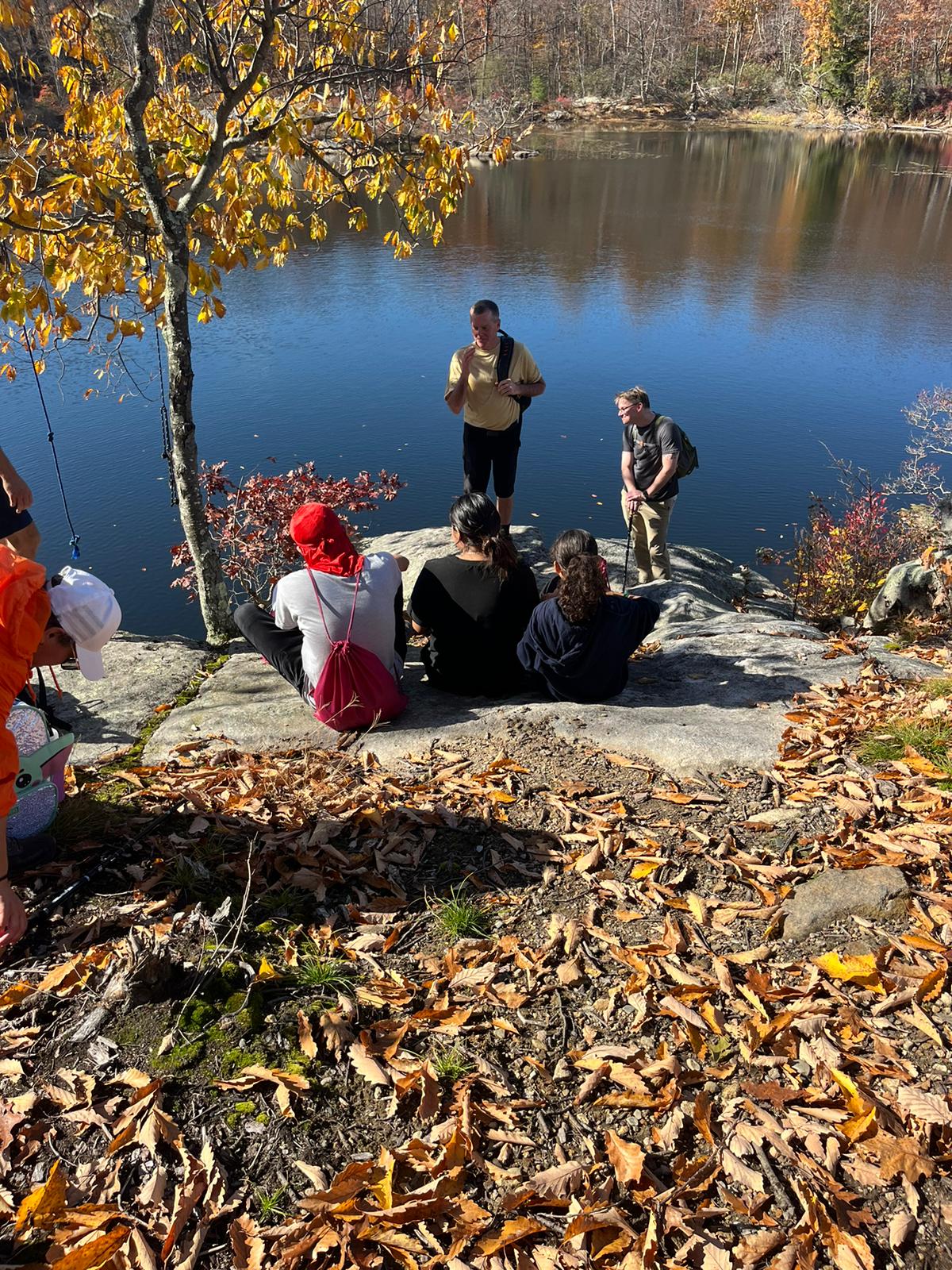
Join the Take-A-Hike NJ Club: Why Hiking Together Is Better
Join the Take-A-Hike NJ Club and discover how much more meaningful the outdoors can feel when young people experience it together. A walk through the woods may seem simple, but with the right group, it can become an opportunity to make friends, build confidence, learn teamwork, and create memories that last long after the hike ends.
For many children and teens, especially those who are new to the outdoors, starting alone can feel intimidating. They may wonder whether they can handle the trail, what they should bring, or whether they will fit in with the group. However, a welcoming hiking community can make those first steps feel much easier.
At Take-A-Hike NJ, the goal is not to see who can walk the fastest or climb the highest mountain. Instead, the experience is about helping young people ages 8–17 enjoy nature in a safe, supportive, and positive environment.
Why Join the Take-A-Hike NJ Club?
Hiking offers physical activity, fresh air, and an opportunity to explore. Still, hiking together can add something even more valuable: connection.
A group hike gives children the chance to talk, laugh, help one another, notice new things, and work through small challenges as a team. As a result, the trail becomes more than a place to exercise. It becomes a place where young people can learn about themselves and the people around them.
Here are some of the biggest reasons hiking together can make the outdoor experience even better.
1. Group Hiking Makes the Outdoors Feel More Welcoming
Walking onto a trail for the first time can feel unfamiliar. Trees replace buildings, the ground becomes uneven, and everyday routines suddenly disappear.
Fortunately, children do not have to figure everything out alone.
When young hikers are surrounded by supportive adults and other participants, they can become more comfortable with the experience. Someone can explain a trail marker, point out an interesting plant, offer encouragement on a hill, or simply walk beside a child who feels unsure. You can also read how Take-A-Hike introduces young people to nature in Guiding Inner-City Youth on Their First Outdoor Adventures.
Over time, those small moments can turn uncertainty into curiosity.

2. Hiking Together Creates Real Social Connection
Children spend a growing amount of their day moving between school, scheduled activities, technology, and other responsibilities. A trail offers a different kind of environment.
There are fewer distractions. Conversations can happen naturally. Nobody has to stare at a screen to stay entertained.
One child may notice a bird. Another may spot a stream. Someone else may tell a funny story while the group walks.
Those simple interactions matter because friendships do not always have to begin with a formal activity. Sometimes they start while two children are walking side by side.
For young people who enjoy outdoor activities after the school day, our guide to After School Hikes in NJ explores additional ways hiking can support social interaction, activity, teamwork, and personal growth.
3. Young Hikers Can Build Confidence One Step at a Time
Confidence does not always come from doing something extraordinary.
For a child who has never hiked before, reaching the end of a short trail can feel like a major accomplishment. Crossing a small stream, walking up a rocky section, recognizing a trail marker, or carrying their own backpack can create a real sense of progress.
In addition, group members can celebrate those moments together.
A young hiker might hear:
“You did it.”
“Keep going.”
“We’re almost there.”
That encouragement can change the way a challenge feels.
Instead of thinking, “I can’t do this,” a child may begin thinking, “Maybe I can.”
That shift can be one of the most valuable parts of an outdoor experience.
4. The Trail Naturally Teaches Teamwork
You do not need a classroom lesson to introduce teamwork. A trail can provide plenty of opportunities on its own.
Hikers may need to stay together, communicate about obstacles, wait for someone who needs a break, or help another participant understand where the trail continues.
Because everyone has different abilities and comfort levels, group hiking also teaches patience.
The strongest hiker does not need to race ahead. Instead, the group succeeds when everyone has an opportunity to participate.
Therefore, hiking can turn teamwork from an idea into something children actually experience.
5. Leadership Can Appear in Unexpected Moments
Leadership on a hike does not have to mean being the person at the front of the group.
A child can show leadership by helping a younger participant, reminding a friend to stay on the trail, encouraging someone who feels tired, or taking responsibility for a simple task.
Another young person might become the first to notice a trail marker or ask an important question.
These moments may seem small. Nevertheless, they give children opportunities to practice responsibility and communication in a natural setting.
At Take-A-Hike NJ, success is not measured only by distance. Growth can happen throughout the journey.
6. Hiking Together Encourages Better Trail Habits
Being part of a group also gives beginning hikers an opportunity to learn good outdoor habits.
Before a hike, participants can learn the importance of wearing appropriate footwear, bringing water, checking the weather, following marked trails, respecting wildlife, and carrying out anything they bring with them.
The National Park Service hiking safety guidance also encourages visitors to prepare before heading out, understand their limits, and use appropriate safety practices.
Families can also explore New Jersey hiking and walking trails through the New Jersey Department of Environmental Protection.
Learning these habits early can help young hikers become more thoughtful and responsible outdoor visitors.

7. Shared Adventures Create Lasting Memories
Ask a child about a hike a few months later and they may not remember exactly how many miles they walked.
Instead, they may remember the deer they spotted between the trees.
They may remember eating a snack beside a lake, laughing with friends, seeing a waterfall, taking a photograph, or finally reaching the top of a hill.
Those are the moments that make outdoor experiences memorable.
When children experience them together, they also have someone with whom to share the story.
That is one reason Join the Take-A-Hike NJ Club can mean more than simply joining a hiking group. It can open the door to positive experiences that young people associate with friendship, discovery, and achievement.
8. Group Hiking Can Make It Easier to Keep Going
Starting a new activity is one thing. Continuing it can be harder.
However, people often feel more motivated when they know others are participating too.
A child may look forward to seeing a friend from the previous hike. Another may want to explore a different trail. Someone who struggled during the first outing may return determined to go a little farther next time.
That sense of progress can make outdoor activity something young people genuinely look forward to.
Families looking for longer shared adventures can also explore our guide to Weekend Expeditions in NJ for ideas about spending more meaningful time outdoors together.
What to Expect When You Join the Take-A-Hike NJ Club?
The Take-A-Hike NJ Club is designed to help young people experience the outdoors in a supportive environment.
Participants can enjoy guided hiking experiences while learning about nature, communication, teamwork, confidence, and responsible outdoor recreation.
Most importantly, children do not need to be experienced hikers before participating.
Every young person begins somewhere.
For one child, success might mean completing an entire trail. For another, it might mean trying an outdoor activity for the first time, talking with someone new, or becoming comfortable in a natural environment.
Each of those achievements matters.
How Should Young Hikers Prepare?
Preparing for a hike does not have to be complicated.
Comfortable footwear is important, along with clothing that matches the weather. Water should always be available, while simple snacks can help hikers stay energized.
Sun protection and insect protection may also be useful depending on the season and location.
Before visiting a trail, families should check current weather and park conditions. Furthermore, hikers should follow posted trail rules and remain on designated routes.
The goal is not to carry everything imaginable. Rather, it is to arrive prepared enough to enjoy the experience safely and comfortably.
Why the Take-A-Hike NJ Club Is About More Than Miles?
It is easy to think of hiking as traveling from the beginning of a trail to the end.
Yet some of the most meaningful parts happen in between.
A conversation with a new friend matters.
Helping another person matters.
Stopping to look at wildlife matters.
Trying something unfamiliar matters.
Even taking a quiet moment to listen to the forest can become part of the experience.
That is why Take-A-Hike NJ focuses on the journey instead of simply counting miles.

Join the Take-A-Hike NJ Club and Explore Together
Nature has a way of bringing people together.
Without screens, crowded schedules, or everyday distractions taking center stage, young people have room to move, talk, explore, and simply enjoy being outside.
Some children may discover a love of hiking. Others may gain confidence, make a new friend, or learn that they are capable of more than they expected.
Every hike can be different.
However, the opportunity to experience nature together remains at the heart of the program.
If your child, school, youth organization, or community group is interested in outdoor experiences, Join the Take-A-Hike NJ Club and discover why the trail can be even better when nobody has to walk it alone.
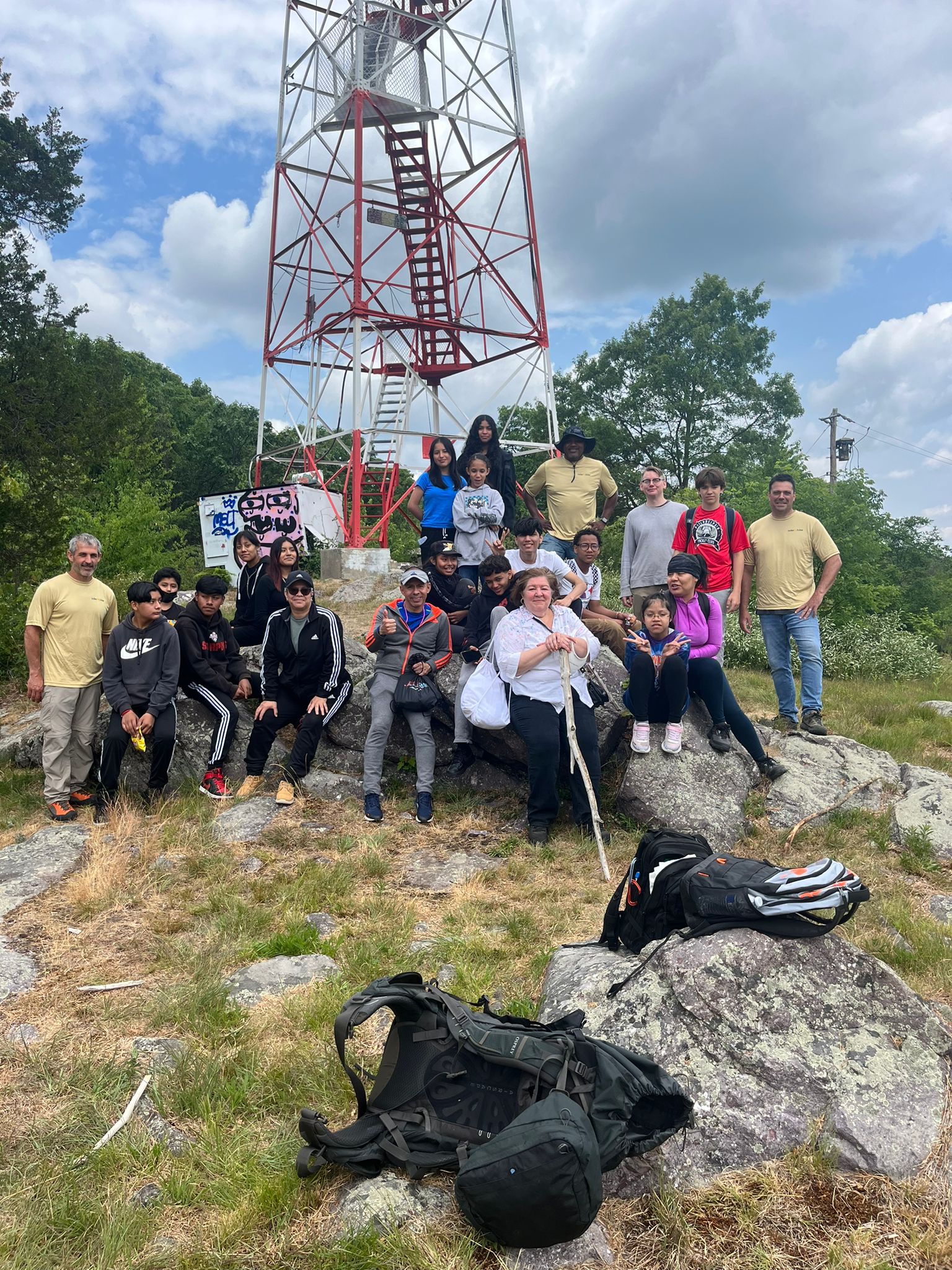
7 Powerful Ways Hiking Builds Leadership and Teamwork in Kids
Hiking builds leadership and teamwork in kids by giving young people real opportunities to communicate, solve problems, make decisions, and support one another. While leadership can develop in classrooms, sports, and organized programs, the outdoors creates a unique environment where children can learn these skills through real experiences.
Hiking creates a natural environment for these lessons to develop. On the trail, children are constantly communicating, solving problems, adapting to new situations, and encouraging others. Instead of simply hearing about teamwork and leadership, they get the opportunity to practice both in real situations.
Most importantly, leadership on the trail does not always mean being the loudest person or walking at the front of the group. A child can show leadership by helping a friend, staying positive during a difficult section, listening carefully, or making a thoughtful decision that benefits everyone.
For families, schools, youth programs, and community organizations, hiking can therefore become much more than an outdoor activity. It can be a meaningful way to help young people build confidence, responsibility, communication skills, and teamwork that can benefit them in many areas of life.
1. Leadership Through Hiking Builds Confidence
Confidence often grows when children realize they can do something that once seemed difficult.
At the beginning of a hike, a child may look at the trail ahead and wonder whether they will be able to finish it. A hill may look too steep, the distance may seem too long, or the outdoor environment may simply feel unfamiliar.
However, progress usually happens one step at a time.
As children continue moving forward, they begin reaching small milestones. They climb a hill, cross a rocky section, navigate a new part of the trail, or keep going when they feel tired.
Eventually, they may look back and realize how much they have accomplished.
These moments can create a genuine sense of achievement. Instead of simply being told to believe in themselves, children gain real evidence that they can handle challenges.
As a result, that confidence may carry into school, friendships, sports, and other activities.
Leadership often begins with this type of self-belief. When young people trust their own abilities, they may become more willing to speak up, take responsibility, make decisions, and help others.

2. Hiking Teaches Kids How to Work as a Team
A successful group hike is rarely about one person moving ahead as quickly as possible.
Instead, the group needs to move together.
Some children may naturally walk faster, while others may need more time. One person may feel comfortable climbing over rocks, while another may be experiencing a hiking trail for the first time.
Because of these differences, hiking naturally teaches patience, cooperation, and awareness.
For example, a faster hiker may need to slow down so everyone can stay together. Another child may encourage someone who feels nervous. Meanwhile, other group members may help remind everyone about trail directions, water breaks, or safety.
Although these actions may seem small, they can teach valuable lessons.
Children begin to understand that teamwork does not mean everyone has the same strengths. Instead, strong teams recognize individual differences and find ways to support one another.
On the trail, the shared goal may be reaching a viewpoint, completing a loop, or simply finishing the hike together. However, the deeper lesson is learning how much more can be accomplished when people cooperate.This is one of the clearest ways hiking builds leadership and teamwork in kids through real shared experiences.
3. Hiking Encourages Communication and Listening
Strong leadership depends on communication, but communication is not only about speaking.
Listening is equally important.
During a group hike, children naturally practice both skills. They may need to discuss which direction to follow, warn others about an obstacle, ask for help, or explain how they are feeling.
At the same time, they also need to listen carefully.
A child may need to pay attention when another hiker says they are tired. They may need to follow safety instructions from an adult leader or respect another person’s idea when the group is making a decision.
Through these experiences, children begin to understand that good communication works both ways.
A strong leader does not simply tell people what to do. A strong leader also listens, observes, considers different perspectives, and responds respectfully.
Because these situations happen naturally on the trail, children can develop communication skills without feeling as though they are sitting through a formal lesson.
4. Leadership Through Hiking Builds Decision-Making Skills
Leadership grows when young people are trusted with age-appropriate responsibilities.
Fortunately, hiking provides many opportunities for children to practice decision-making.
For example, an adult leader might ask the group to identify the correct trail marker or help decide when it is time to stop for a water break.
Older children may help read a trail map, remind the group about safety rules, or take turns walking near the front of the group under adult supervision.
Of course, adults should always remain responsible for important safety decisions. However, allowing children to participate in smaller decisions can help them feel valued and involved.
Over time, these experiences can strengthen judgment and responsibility.
Children also begin to understand that their decisions can affect other people. Therefore, good leadership is not simply about choosing what one person wants. It often means considering what is best for the entire group.
That is an important lesson both on the trail and in everyday life.

5. Hiking Teaches Responsibility and Accountability
Outdoor experiences naturally come with responsibilities.
Children may need to carry their own water bottle, keep track of a backpack, follow trail rules, stay with the group, and make sure they leave the environment as they found it.
These responsibilities may appear simple. Nevertheless, they teach young people that their choices matter.For additional trail preparation and group safety tips, families can review the National Park Service hiking safety guidance.
If someone forgets an important item, for example, they may quickly understand why preparation is important. Likewise, if a child walks too far ahead, they can learn why staying together is essential for group safety.
Hiking also introduces young people to environmental responsibility.
Children can learn to respect wildlife, remain on marked trails, avoid leaving trash behind, and take care of natural spaces.
As a result, leadership becomes connected with stewardship.
Young people begin to see that responsible leaders do more than take care of themselves. They also think about their group, their community, and the environment around them.
6. Hiking Helps Kids Support and Encourage Others
Some of the most meaningful leadership moments on a hike happen when one child notices that another person is struggling.
Perhaps someone is tired. Maybe they feel nervous about a rocky section, or they are discouraged because the destination still seems far away.
In these moments, children have an opportunity to practice empathy.
A simple word of encouragement can make a difference. One child may walk beside another, offer support, or remind them that the group can slow down and take a short break.
These interactions help young people understand that leadership is not only about being in charge.
It is also about helping other people succeed.
Strong leaders often show patience, kindness, awareness, and encouragement. Therefore, when children support one another on the trail, they are practicing some of the most important qualities of leadership.
They begin to understand that leadership is not about being better than others. Instead, it is about helping the group move forward together.
7. Hiking Shows Kids That Everyone Can Lead
Not every child will lead in the same way.
Some young people are naturally outgoing and comfortable speaking in front of a group. Others may be quieter, more observant, or more comfortable helping behind the scenes.
Hiking gives children opportunities to discover different forms of leadership.
One child may confidently help guide the group. Another may notice that someone has fallen behind. Someone else may remember an important safety rule or encourage the group during a difficult climb.
Each contribution can be valuable.
This is especially important for children who may not already see themselves as leaders.
A quiet student may discover that they are excellent at reading trail markers. Another child may realize that they are good at keeping the group calm and positive.
Through these experiences, children can begin developing their own leadership style.
They learn that leadership does not require a specific personality. Instead, leadership can involve responsibility, courage, awareness, kindness, problem-solving, communication, and teamwork.

Why Leadership Through Hiking Matters for Kids ?
Leadership through hiking gives children a practical way to develop confidence, responsibility, and teamwork outdoors.Children today spend a large part of their lives around screens, structured schedules, classrooms, and organized activities.
Outdoor experiences offer something different.
Nature gives young people space to explore, observe, communicate, and respond to situations as they happen.
A hiking trail can introduce small challenges that encourage children to think independently while still working as part of a group.
At the same time, outdoor leadership development often feels natural.
Children are not simply listening to a lecture about teamwork. Instead, they are practicing teamwork while trying to reach a destination together.
They are not completing a worksheet about resilience. Instead, they experience resilience when they continue walking after becoming tired.
Likewise, they are not only reading about responsibility. They practice it by preparing for the trail, respecting nature, caring for their belongings, and supporting other hikers.
Because these lessons are connected to real experiences, they can become especially memorable.
Hiking Builds Leadership and Teamwork Beyond the Trail
The lessons children learn while hiking do not have to stay in the woods.
A child who learns to encourage a struggling hiking partner may become more supportive of classmates.
A young person who practices decision-making on the trail may become more comfortable taking responsibility at school or in community activities.
Similarly, children who learn to listen carefully to their hiking group may become stronger communicators in everyday situations.
These changes may happen gradually. However, repeated outdoor experiences give young people opportunities to keep practicing important skills.
Over time, confidence can grow. Communication can improve. Teamwork can become more natural.
Most importantly, children may begin to recognize that they have something valuable to contribute.
Final Thoughts
From the outside, hiking may look simple: a group of children walking along a trail.
However, much more can be happening during that journey.
Children are solving problems, making decisions, communicating, helping one another, overcoming challenges, and learning how their actions affect the people around them.
Those are meaningful leadership experiences.
By giving children opportunities to explore the outdoors together, families, schools, youth programs, and community organizations can help young people develop skills that extend far beyond the hiking trail.
Ultimately, hiking builds leadership and teamwork in kids because it gives them something especially valuable: the opportunity to learn through real experience.
Every hill climbed, every decision made, and every helping hand can become another step toward greater confidence, stronger teamwork, and future leadership.
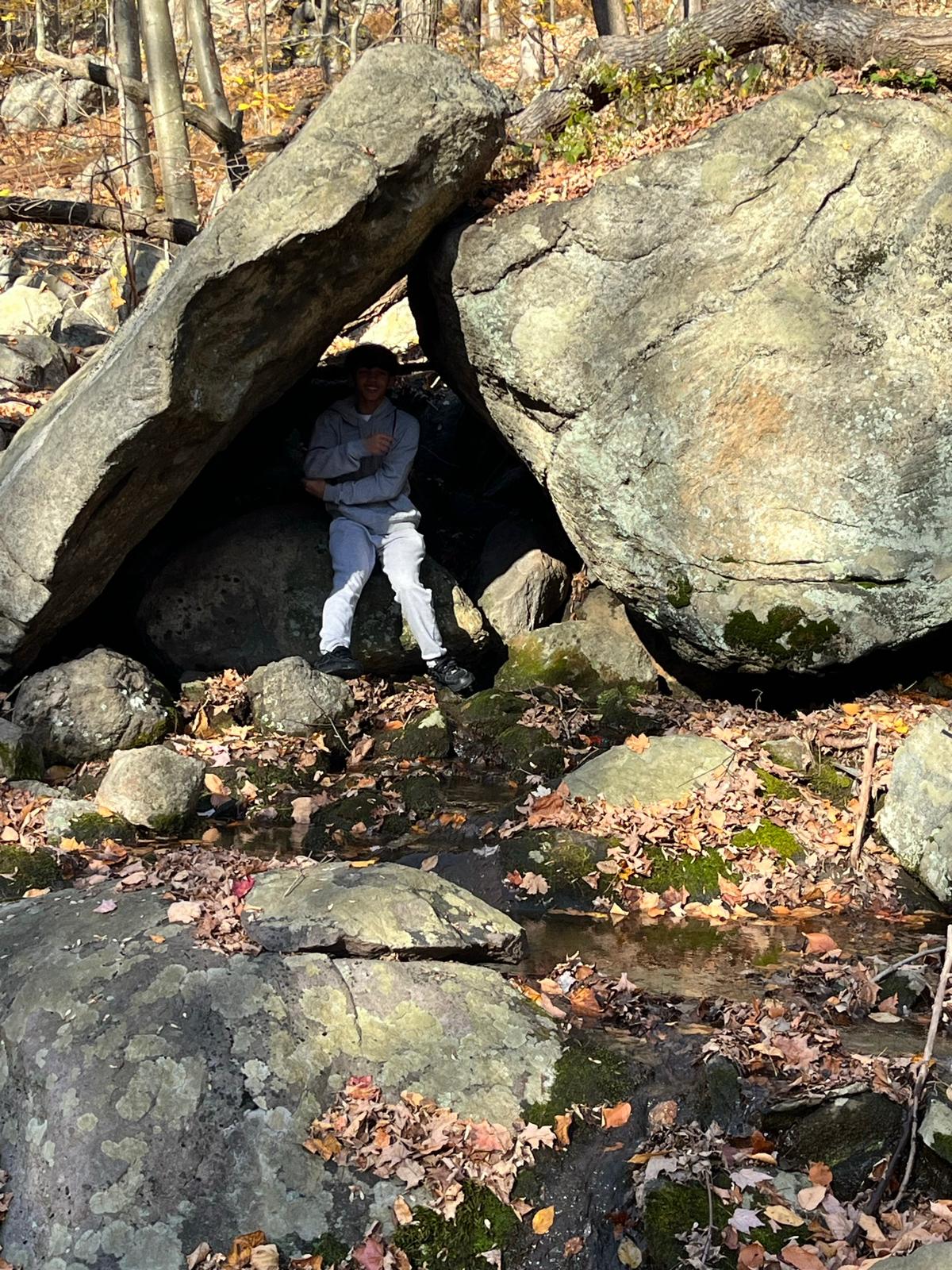
7 Powerful Reasons Hiking Is Great for Kids’ Growth
Children grow through experiences, not just lessons. While classrooms, sports, and structured activities all play an important role in development, spending time outdoors can offer something different. Hiking gives kids space to move, explore, think, connect, and discover what they are capable of doing.
One of the biggest reasons hiking is great for kids’ growth is that it supports many areas of development at the same time. A simple walk along a trail can encourage physical activity, build confidence, strengthen social skills, spark curiosity, and create opportunities for independence.
Moreover, hiking does not have to be difficult or extreme. Kids can benefit from short nature walks, local park trails, beginner-friendly paths, and group outdoor adventures. What matters most is giving them a safe and supportive environment where they can explore at their own pace.
Here are seven powerful reasons hiking can play a meaningful role in helping children grow.
1. Hiking Helps Kids Build Confidence
Confidence often develops through small accomplishments. Hiking can build confidence by giving kids small, achievable challenges. Each completed trail, hill, or new outdoor experience can help them feel more capable and proud of what they can accomplish.
A child may begin a hike wondering whether they can complete the trail. Along the way, they might face a hill, uneven ground, or a longer distance than they are used to walking. However, once they reach the end, they have proof that they were capable of doing something that initially felt challenging.
That feeling matters.
Instead of simply being told, “You can do it,” children get the chance to experience success for themselves.
For example, a young hiker may feel proud after climbing a steep section without giving up. Another child may gain confidence after helping the group find a trail marker. Meanwhile, someone who was nervous about hiking may discover that they actually enjoy being outdoors.
Over time, these small victories can help children become more willing to try new things.
Importantly, adults can support this process by focusing on effort rather than speed. Saying, “You kept going even when that hill was difficult,” can be more meaningful than praising a child simply for finishing first.

2. Hiking Encourages Healthy Physical Development
Children naturally need opportunities to move.
However, physical activity does not always need to happen on a sports field or inside a gym. Hiking gives kids a different way to stay active while enjoying nature at the same time.
Walking on a trail can support endurance, balance, coordination, and overall physical fitness. In addition, hills, rocks, roots, and changing surfaces encourage children to adjust their movements as they walk.
As a result, the body is working in ways that may not happen during a simple walk on a flat sidewalk.
For many kids, this kind of movement feels less like exercise and more like an adventure.
Instead of counting repetitions, they may be searching for wildlife, following a stream, climbing toward a viewpoint, or exploring a new trail with friends.
That can make physical activity feel much more enjoyable.
Furthermore, beginner hikes can be adjusted to match a child’s age and experience. A short, easy trail can be a perfect starting point, while longer adventures can be introduced gradually as confidence and endurance grow.
3. Hiking Teaches Kids How to Handle Challenges
Not every part of a hike is easy.
Sometimes the trail becomes steeper. The weather may feel warmer than expected. A child might become tired halfway through the route. There may even be moments when someone wants to turn around.
Yet these situations can become valuable learning experiences.
Rather than removing every challenge, adults can help children work through manageable difficulties.
For instance, a child who feels tired can learn to pause, drink water, take a short break, and continue when ready. If a trail becomes confusing, the group can stop and figure out the correct direction together.
These moments help kids understand that challenges do not always mean failure.
Instead, they can learn that problems can often be managed one step at a time.
Consequently, hiking can help children practice patience, persistence, and problem-solving in a real-world environment.
Those lessons can be useful far beyond the trail.
4. Hiking Supports Social Skills and Teamwork
Hiking can be a wonderful social activity because conversations and teamwork happen naturally.
When children walk together, they have time to talk without the pressure of a formal activity. They may discuss something they see, laugh about a muddy section of trail, compare favorite animals, or encourage each other along the way.
At the same time, group hiking creates opportunities for cooperation.
Someone may hold a branch out of the way for another person. A faster hiker may learn to wait for the rest of the group. One child may remind everyone to stay together, while another helps identify the correct trail marker.
These small actions teach consideration and teamwork.
Additionally, hiking can help kids understand that a group adventure is not only about personal achievement. Everyone has a role in making the experience positive.
For children who may feel shy or uncomfortable in highly structured social settings, walking outdoors can also create a more relaxed way to connect with others.

5. Hiking Encourages Curiosity and Learning
Nature gives children endless things to notice.
A trail may include birds, trees, insects, flowers, rocks, streams, tracks, changing weather, and seasonal colors. Because of this variety, hiking can naturally encourage questions.
Why do some trees lose their leaves?
What animal made those tracks?
Why is moss growing on that rock?
Where does the stream go?
Questions like these are valuable because they come from genuine curiosity.
Instead of receiving information first and then being asked to remember it, children discover something interesting and want to understand it.
As a result, learning feels more personal.
Adults can encourage this curiosity without turning the hike into a formal lesson. Simply asking, “What did you notice?” can open a conversation.
Likewise, children can take photographs, keep a small nature journal, look for different leaf shapes, or try to identify birds they hear along the trail.
These simple activities can turn hiking into an outdoor learning experience without making it feel like school.
6. Hiking Gives Kids a Healthy Break From Screens
Screens are part of modern childhood.
Kids use technology for school, entertainment, communication, and games. However, regular opportunities to step away from screens can still be valuable.
Hiking naturally creates that break.
On a trail, there is something happening in the real world around children. A squirrel may move through the trees. Water may be flowing nearby. A colorful leaf may catch their attention. The group may reach a viewpoint they were excited to see.
Therefore, children have reasons to look up, move around, and engage with their surroundings.
This does not mean phones need to be completely banned.
In fact, technology can sometimes support the experience. Kids can take photographs, identify a plant, track their walking distance, or record something interesting they found.
The difference is that the screen becomes a tool rather than the entire activity.
Over time, outdoor experiences can help children discover that fun does not always need to come from a device.
Sometimes the most memorable moments happen because they were fully present.
7. Hiking Helps Kids Build Independence and Leadership
Children benefit when adults give them opportunities to take responsibility.
Hiking offers many simple ways to do that.
For example, a child can help check a map, carry part of the group supplies, choose between two safe trail options, remind everyone about water breaks, or take a turn walking near the front with an adult.
These responsibilities may seem small, but they can help children feel trusted.
Moreover, leadership on the trail does not always mean being the loudest person in the group.
A quiet child may notice when someone needs help. Another participant may be good at reading signs. Someone else may keep the group positive when everyone feels tired.
Therefore, hiking gives different kinds of children opportunities to contribute.
As they gain experience, they may also become more comfortable making decisions and taking initiative.
That sense of independence can be especially meaningful for young people who are still learning what they are capable of handling on their own.

Why Hiking Is Great for Kids’ Growth Beyond the Trail
The lessons children learn outdoors do not stay in the woods.
Confidence can carry into school.
Teamwork can improve friendships.
Problem-solving can help during everyday challenges.
Curiosity can encourage learning in new subjects.
Likewise, the experience of finishing something difficult can remind a child that progress often happens gradually.
This is one reason hiking is great for kids’ growth. It creates opportunities for children to practice important life skills in a setting that feels natural and enjoyable.
There is no worksheet required.
There is no test at the end.
Instead, children learn by doing.
How to Make Hiking Positive for Kids
A successful hike does not need to be long or difficult.
In fact, beginners often enjoy hiking more when adults choose a trail that matches their ability level.
Start with a manageable distance. Bring enough water and simple snacks. Check the weather and trail conditions beforehand. In addition, make sure children have comfortable footwear and clothing that fits the conditions.
Most importantly, avoid rushing.
Kids may want to stop and examine something that adults would normally walk past. They might become interested in a bug, a tree, a stream, or an unusual rock.
Those stops are not necessarily interruptions.
They are part of the experience.
Furthermore, giving kids some ownership can make the adventure more meaningful. Let them choose a snack stop, take photographs, look for trail markers, or suggest something they want to observe along the way.
The more involved they feel, the more likely they are to enjoy the experience.
Simple Ways to Make a Hike More Engaging
Sometimes children simply need a purpose to make a walk feel exciting.
For example, families and youth groups can turn the hike into a nature scavenger hunt. Kids can search for different leaf colors, animal tracks, birds, interesting rocks, or natural shapes.
Another idea is a photography challenge. Each child can take pictures of three things that caught their attention and explain why they chose them later.
You can also ask children to identify their favorite part of the hike.
These activities encourage observation and conversation without adding pressure.
At the same time, they help young people feel more connected to the environment around them.
Hiking Does Not Need to Be Perfect
Adults sometimes worry about making every outdoor experience go exactly as planned.
However, some of the best memories come from unexpected moments.
Maybe the group takes longer than expected because everyone stops to watch a deer.
Perhaps someone gets muddy and starts laughing.
A child may become fascinated with something completely different from what the adults expected them to notice.
That is okay.
The goal does not need to be completing every mile on schedule.
Instead, the goal can simply be giving young people a positive experience outdoors.
When children associate hiking with encouragement, discovery, friendship, and accomplishment, they are much more likely to want to return.
Final Thoughts
Hiking may seem like a simple activity, but it can offer children much more than exercise.
It can help them become stronger, more confident, more curious, and more comfortable working with others.
At the same time, hiking creates space for kids to slow down, explore nature, take on manageable challenges, and experience the satisfaction of reaching a goal.
That is why hiking is great for kids’ growth.
The trail does not need to be difficult.
The adventure does not need to be perfect.
Sometimes meaningful growth begins with a pair of comfortable shoes, a supportive group, and the courage to take the first step outdoors.
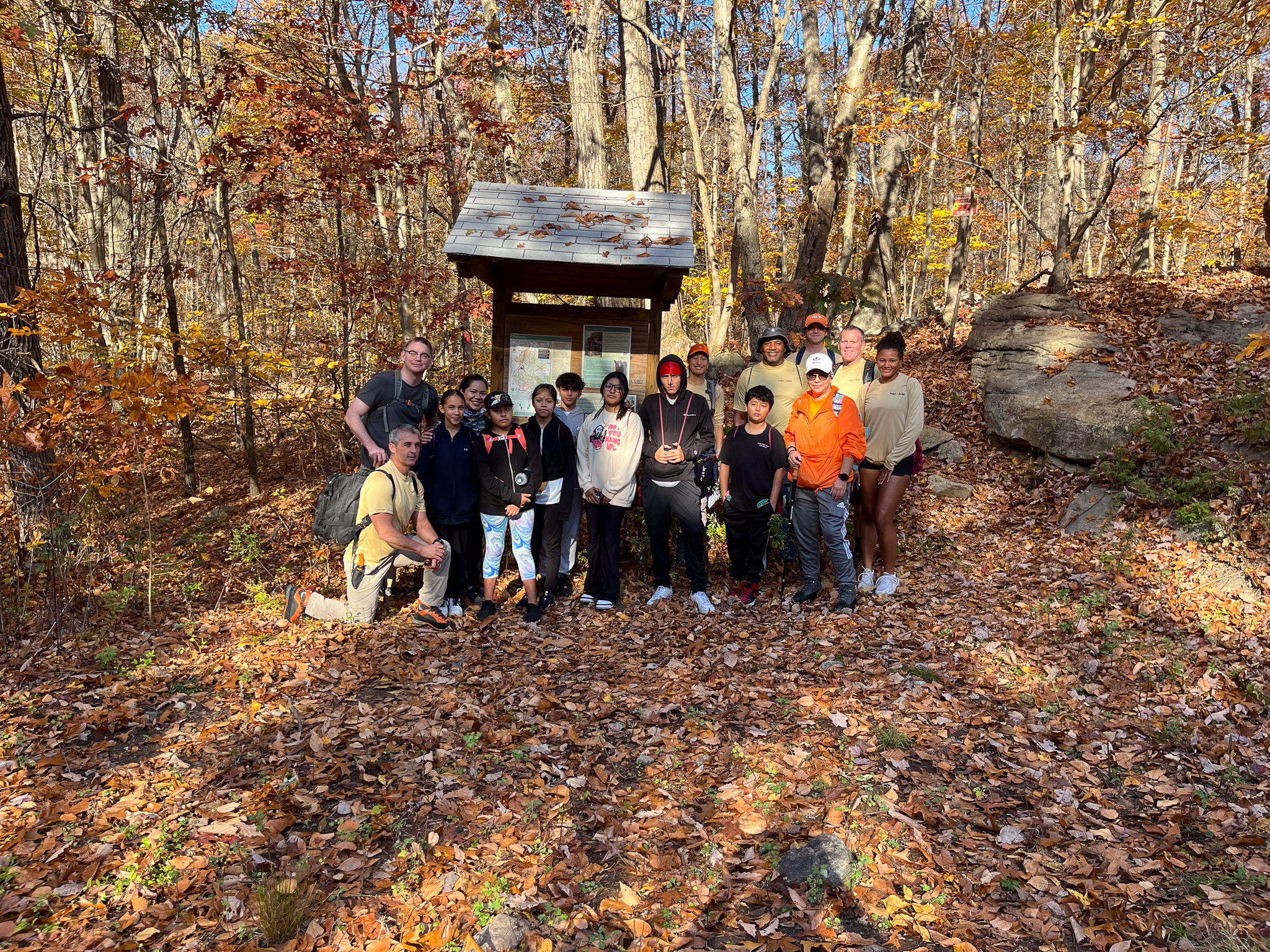
Health Benefits of Hiking: 9 Powerful Ways It Boosts Body and Mind
The health benefits of hiking go far beyond simply getting exercise. For kids, beginners, and families, spending time on the trail can support physical fitness, mental well-being, confidence, and meaningful connections with nature.
The health benefits of hiking can be especially valuable for kids, teenagers, families, and beginners who want to become more active without feeling pressured to participate in a competitive sport.
You do not need to climb a mountain or complete a difficult trail to experience the benefits. Even a comfortable walk through a local park, wooded path, or nature preserve can encourage movement, reduce everyday stress, and help people reconnect with the world around them.
For young people, hiking can also turn exercise into an adventure. Instead of focusing on repetitions, scores, or winning, they can explore new places, notice wildlife, talk with friends, and discover what they are capable of accomplishing.
Here are nine powerful ways hiking can support both the body and mind.
1. Health Benefits of Hiking for Physical Fitness
One of the most obvious health benefits of hiking is that it gets the body moving.
Walking along a trail requires the legs, core, and many smaller stabilizing muscles to work together. Hills, roots, rocks, and changing terrain can naturally make the body work harder than it would during an ordinary walk on a flat sidewalk.
However, hiking does not need to feel like a traditional workout.
That is part of what makes it appealing to beginners and young people. Instead of watching a clock or counting repetitions, hikers are moving toward a viewpoint, exploring a forest, following a stream, or simply enjoying time outdoors.
For children who may not enjoy organized sports, hiking can offer another way to stay active.
A short family hike or beginner-friendly trail can be a comfortable place to start. As endurance improves, hikers can gradually explore longer routes and slightly more challenging terrain.

2. Health Benefits of Hiking for a Healthier Heart
The health benefits of hiking include improved endurance and an opportunity to support overall cardiovascular fitness through regular physical activity.
Hiking is a form of cardiovascular activity because it keeps the body moving for an extended period of time.
When people walk uphill or travel across varied terrain, the heart and lungs naturally work harder to supply the body with the oxygen it needs. Regular physical activity can support overall cardiovascular fitness and help people build endurance over time.
The important thing is that beginners do not need to start with a difficult trail.
A gentle 30-minute walk can be a meaningful beginning. As people become more comfortable, they can increase their distance, pace, or elevation gradually.
For kids, this progression can happen naturally. They may begin with short nature walks and eventually become excited about completing longer trails.
Rather than focusing only on distance, families and youth programs can celebrate effort, consistency, and improvement.
3. Hiking Helps Build Strength and Balance
A hiking trail is rarely perfectly flat.
Roots, small rocks, hills, bridges, and uneven surfaces require hikers to constantly adjust their steps. As a result, hiking can help strengthen the legs while also encouraging balance and coordination.
Walking uphill works the legs differently than walking downhill. Meanwhile, navigating uneven ground requires concentration and body control.
These physical challenges can be particularly useful for children because they allow movement skills to develop in a natural environment.
Instead of completing repetitive exercises, young hikers may step over a fallen branch, climb a gentle hill, cross a small footbridge, or carefully walk around a muddy section of trail.
Each small challenge encourages awareness and movement.
For beginners, these experiences can also create a sense of progress. A trail that once felt difficult may begin to feel easier after several outings.
That improvement can be incredibly motivating.
4. Mental Health Benefits of Hiking for Everyday Stress
Physical health is only part of the story.
One of the most meaningful health benefits of hiking is the opportunity to spend time away from everyday distractions.
School schedules, work responsibilities, phones, social media, traffic, and constant notifications can make life feel overwhelming. A peaceful trail offers a completely different environment.
Instead of staring at a screen, hikers may hear birds, notice moving water, feel the breeze, or watch sunlight filter through the trees.
Those small experiences can create moments of calm.
Children and teenagers can benefit from this change of pace as well. Young people deal with academic pressure, social challenges, busy schedules, and digital distractions. Spending time outdoors gives them an opportunity to slow down and focus on what is happening around them.
Hiking does not solve every source of stress, but it can create valuable breathing room in a busy week.
5. Hiking Encourages Mindfulness Naturally
Mindfulness does not always require sitting quietly with your eyes closed.
Sometimes it happens while walking along a trail.
A child might notice the sound of leaves moving in the wind. Another hiker might stop to watch a bird land on a nearby branch. Someone else may become interested in the shape of a rock, the reflection on a lake, or the smell of pine trees.
These moments bring attention back to the present.
That is one reason hiking can feel mentally refreshing.
Nature constantly gives hikers something new to observe. The scenery changes around every turn, and different seasons create completely different experiences.
Programs can encourage this awareness by asking simple questions such as:
What sounds do you hear?
Which colors stand out around you?
Can you notice anything that has changed since your last visit?
Which part of the trail seems most interesting today?
Questions like these can transform an ordinary walk into a meaningful outdoor learning experience.

6. Hiking Can Build Confidence in Kids and Beginners
There is something powerful about reaching the end of a trail and realizing, “I did it.”
For a young person or beginner, completing a hike can create a genuine sense of accomplishment.
Confidence often develops through small victories.For kids and beginners, hiking can build confidence in a natural and encouraging way. Each completed trail, small hill, or new challenge can help young hikers feel more capable and proud of what they achieve outdoors.
Maybe a child walks farther than expected. Perhaps a teenager feels nervous about climbing a hill but completes it anyway. A beginner might successfully navigate a trail they once thought looked intimidating.
These experiences teach an important lesson: challenges can become manageable when they are approached one step at a time.
The goal does not need to be reaching the highest mountain.
Even completing a short trail can become meaningful when someone is trying something new.
Supportive adults, guides, parents, and volunteers can make these moments even more powerful by recognizing effort rather than focusing only on performance.
A simple comment such as “You kept going even when that hill was difficult” can reinforce perseverance and confidence.
7. Hiking Creates Opportunities for Real Social Connection
Hiking can also bring people together in ways that feel natural.
When people walk side by side, conversations often happen more easily. There is less pressure to maintain constant eye contact, and the shared experience gives everyone something to talk about.
Kids may discuss wildlife they spotted, laugh about a muddy section of trail, help each other climb a hill, or celebrate reaching a viewpoint together.
Those moments can strengthen friendships.
Group hiking also creates opportunities for teamwork.
Participants may help someone who is struggling, wait for slower hikers, share water, encourage each other, or work together to follow trail markers.
These simple actions help young people understand that outdoor adventures are often more enjoyable when everyone supports the group.
For children who sometimes struggle to connect in traditional social settings, nature can create a more relaxed environment for building relationships.
8. Hiking Gives Kids a Healthy Break From Screens
Technology is part of everyday life, and screens are not going anywhere.
However, everyone can benefit from occasionally stepping away from them.
Hiking creates a natural opportunity to do exactly that.
When children are exploring a trail, there is something happening around them constantly. They may discover an unusual tree, hear an unfamiliar bird, search for animal tracks, photograph wildflowers, or try to identify landmarks.
Their attention shifts from a digital environment to the physical world around them.
Parents do not necessarily need to ban phones completely.
Technology can even become part of the adventure when used intentionally. Kids can take photographs, identify plants, record wildlife observations, or track the distance they walked.
The key is making the outdoor experience the main attraction.
Over time, children may begin to realize that entertainment does not always need to come from a screen. Sometimes it can come from exploring somewhere they have never been before.
9. Health Benefits of Hiking That Support Healthy Habits
Perhaps one of the greatest benefits of hiking is that it can become a lifelong activity.
People can hike at many different ages and ability levels. Trails range from short, accessible paths to challenging mountain routes, which means the activity can grow with the person.
A child who begins with short nature walks may eventually become a teenager who enjoys weekend adventures.
A beginner who starts with a local park may later feel confident exploring state parks and longer trails.
The key is making the early experiences positive.
If beginners are pushed too hard, they may decide hiking is not for them. However, when trails are appropriate, the pace is comfortable, and the experience is supportive, people are much more likely to want to return.
Healthy habits often develop because an activity is enjoyable enough to repeat.
Hiking combines movement, exploration, nature, and personal achievement, which makes it easier for many people to see exercise as something enjoyable rather than something they are required to do.The health benefits of hiking can become even more meaningful when outdoor activity develops into a regular, enjoyable habit.
Why Hiking Is Especially Valuable for Kids
Children spend a significant amount of time learning inside classrooms and interacting with technology. Outdoor experiences give them another type of classroom—one where curiosity, movement, teamwork, and discovery happen naturally.
A challenging hill can teach patience.
Careful observation helps children notice things others may miss.
Working together on the trail can strengthen teamwork.
Continuing when the hike feels difficult can build resilience.
Most importantly, hiking gives children opportunities to discover their own abilities.
They may begin a hike uncertain about what lies ahead and finish feeling proud of what they accomplished.
Those experiences can stay with them long after the hike ends.
How Beginners Can Start Hiking Safely and Comfortably
Getting started does not need to be complicated.
Choose a trail that matches the experience and fitness level of the group. Beginners usually benefit from shorter routes with manageable terrain before moving on to longer or more challenging adventures.
Wear comfortable footwear and clothing appropriate for the weather.
Bring water, simple snacks, and any basic supplies needed for the length of the hike.
It is also important to check trail conditions and weather before leaving.
Most importantly, do not turn the first hike into a competition.
Take breaks when needed. Stop to enjoy the view. Let children investigate something interesting along the trail.
The goal should be creating an experience people want to repeat.

Making Hiking More Meaningful for Young People
Hiking can be more than just a walk outdoors it can help young people build confidence, curiosity, and stronger connections with others. With the right activities and support, every hike can become a meaningful learning experience.Try turning the hike into a photography challenge.
Ask participants to find five different types of leaves.
Look for signs of wildlife.
Encourage kids to choose their favorite part of the trail and explain why.
Older participants can take turns helping lead the group, reading trail markers, or reminding everyone when it is time for a water break.
These simple responsibilities can transform a walk through the woods into an experience that supports curiosity, independence, and leadership.
And sometimes the best moments are completely unexpected.
A child may become fascinated by a tiny frog beside the trail. A teenager may take a photograph they are proud of. Someone who was quiet at the beginning of the hike may become the person encouraging everyone else up the final hill.
Those are the moments that make outdoor experiences memorable.
The Health Benefits of Hiking Go Beyond Exercise
Hiking certainly provides physical activity, but its value can reach much further.
Time on the trail offers a healthy break from everyday distractions.
Being outdoors encourages people to notice and appreciate the world around them.
Shared hiking experiences can also create opportunities for conversation, teamwork, confidence, and exploration.
For kids and beginners especially, hiking can show that becoming healthier does not always require complicated routines or competitive sports.
Sometimes it simply begins with putting on a comfortable pair of shoes, stepping onto a trail, and discovering what is around the next corner.
Take the First Step Outdoors
You do not need to be an experienced hiker to begin.
Start with a comfortable trail. Invite a friend, family member, or group. Bring some water, take your time, and enjoy the experience rather than worrying about distance or speed.
For young people, those first outdoor adventures can become much more than exercise. They can become opportunities to build confidence, create friendships, discover nature, and develop memories that last for years.
At Take-A-Hike NJ, we believe outdoor experiences can give young people opportunities to move, explore, connect, and grow.
Sometimes a meaningful adventure begins with something incredibly simple:
One trail.
One group.
And one step forward.
10 Costly Beginner Hiking Mistakes You Need to Avoid
Starting your first hike should feel exciting, not stressful. Yet many beginner hiking mistakes happen before hikers even reach the trail. Choosing a route that is too difficult, forgetting water, wearing the wrong shoes, ignoring the weather, or relying completely on a phone can quickly turn a relaxing outdoor adventure into an uncomfortable experience.
The good news is that most hiking mistakes are easy to avoid. With a little planning, the right gear, and realistic expectations, beginners can enjoy the trail safely and confidently.
Here are 10 costly mistakes every new hiker should know before heading outdoors.
What Are the Most Common Beginner Hiking Mistakes?
Most beginner hiking mistakes come from being unprepared rather than inexperienced.
New hikers sometimes assume that hiking is simply a longer walk. While that may be true on some easy trails, conditions can change quickly. Trails may include rocks, mud, hills, stream crossings, insects, changing weather, or areas with limited cell service.
The National Park Service recommends choosing a trail that matches your abilities, checking current conditions, planning your route, and being prepared before leaving.
Avoiding a few simple mistakes can make your first hiking experience much more enjoyable.
1. Beginner Hiking Mistakes: Choosing a Trail That Is Too Difficult
One of the biggest mistakes beginners make is picking a trail because the photos look impressive.
A beautiful mountain overlook might be tempting, but distance is only one part of trail difficulty. Elevation, rocky terrain, steep climbs, weather, and trail conditions can make a short hike surprisingly challenging. What Is the Best Trail for a Beginner Hiker?
Start with a shorter, clearly marked trail that matches your current fitness and comfort level.
Your first hike does not need to be dramatic. The goal should be finishing the trail feeling excited to hike again—not exhausted and wondering why you started.
If you are looking for Best Beginner Hikes in New Jersey, choose routes with clear trail markers, manageable terrain, and shorter distances. New Jersey offers everything from level rail-trails to more technical rocky routes, so checking the trail difficulty before you go can help make your first hiking experience safer and more enjoyable.

2. Wearing the Wrong Shoes
Your everyday shoes may feel comfortable around town, but trails are different.
Loose gravel, roots, wet leaves, mud, and uneven ground require better grip and support.
You do not necessarily need expensive hiking boots for every beginner trail. However, your footwear should fit properly, provide reliable traction, and match the terrain.
Avoid trying brand-new footwear for the first time on a long hike. A short walk beforehand can help you discover rubbing or discomfort before you are miles from your car.
3. Forgetting Enough Water
Another common beginner hiking mistake is assuming a short hike means you will not need much water.
Walking outdoors can make you thirsty faster than expected, especially on warm or humid days.
Bring water with you rather than assuming there will be somewhere to refill along the trail. The National Park Service also advises hikers to bring water and food and to drink and snack during their hike.
For longer outings, think about the weather, distance, difficulty, and needs of everyone in your group when deciding what to carry.
4. Common Beginner Hiking Mistake: Ignoring the Weather
A sunny morning does not guarantee perfect conditions for the entire hike.
Rain can make rocks and roots slippery. Hot weather can make an easy trail feel harder. Cold temperatures require different clothing, and storms can make exposed areas dangerous.
Why Should Beginners Check the Weather Before Hiking?
Checking the weather helps you decide what to wear, what to pack, and whether the hike should happen at all.
Before leaving home, check the weather forecast and current trail conditions. You can also review National Park Service hiking safety guidance to understand how changing weather, trail conditions, and proper preparation can affect your hiking experience.
Changing plans is not a failed adventure. Sometimes it is the smartest hiking decision you can make.
5. Packing Too Much—or Almost Nothing
Some beginners carry everything they own.
Others bring a phone and nothing else.
Neither approach is ideal.
For a simple day hike, focus on practical hiking essentials for beginners such as water, snacks, appropriate clothing, navigation information, basic first-aid supplies, sun protection, and anything needed for the conditions you expect.
Your backpack should help you enjoy your hike rather than feel like another challenge.
6. Beginner Hiking Safety Mistake: Relying Only on Your Phone
Phones are extremely useful for directions, photos, weather information, and trail maps.
But they should not be your only plan.
Cell coverage can be unreliable in outdoor areas, and batteries can drain faster than expected. The National Park Service warns hikers not to assume cellular coverage will always be available.
How Can Beginner Hikers Avoid Getting Lost?
Know your route before starting.
Save useful information before leaving, pay attention to trail markers, and consider carrying a physical map when appropriate. Most importantly, avoid wandering onto unmarked paths just because they look interesting.
Tell someone where you are going and approximately when you expect to return.
7. Starting Too Fast
You step onto the trail feeling energetic.
Twenty minutes later, you are wondering why everyone else seems fine.
Sound familiar?
Hiking is not a race.
A comfortable pace gives your body time to adjust and helps you enjoy your surroundings. This becomes especially important when hiking with children or groups containing people with different experience levels.
The National Park Service recommends keeping groups together and allowing the slower hiker to help set the pace.For beginners, hiking should be about enjoying the experience rather than rushing to finish the trail. Programs focused on outdoor adventures for youth can help young hikers build confidence, learn teamwork, and become more comfortable exploring nature at a steady pace.
At Take-A-Hike NJ, outdoor experiences also emphasize exploration, teamwork, confidence, and enjoying nature rather than simply rushing toward the finish.

You may not feel hungry when you leave the parking area.
That can change once you have been walking for a while.
A simple snack can make a break much more enjoyable, particularly for younger hikers.
Choose something easy to carry and remember to take all wrappers and trash back out with you.
A hiking break is also a perfect chance to slow down, check how everyone feels, drink some water, and enjoy the scenery.
9. Leaving the Marked Trail
A small side path can look harmless.
You might think, “I’ll just see where this goes.”
That is where unnecessary problems can begin.
Leaving an established route increases the chance of becoming confused about your location and can also disturb sensitive natural areas.
Stick to the intended trail unless official signage clearly directs you elsewhere. The National Park Service advises hikers to remain on designated trails and follow their planned route.
10. One of the Most Overlooked Beginner Hiking Mistakes
This may be the most overlooked of all beginner hiking mistakes.
Your first hike does not need to include a mountain summit, ten-mile route, perfect weather, professional photographs, and an unforgettable sunset.
Sometimes the best first hike is simply a peaceful walk through the woods.
Stop when something catches your attention.
Take a picture.
Listen to the birds.
Let the kids investigate an interesting leaf.
Take a break when someone feels tired.
The experience matters more than the mileage.
Where Should Beginners Start Hiking in New Jersey?
New Jersey offers many different hiking environments, so beginners should choose trails according to their abilities rather than simply selecting the most famous destination.
Look for shorter, well-marked routes with manageable terrain.
Kittatinny Valley State Park, for example, includes trails ranging from easy, relatively level rail-trails to more challenging terrain, demonstrating why checking an offical trail description before leaving is important.
Conditions can also change, so always check current information from the park or land manager before your visit.
What Is the Best Way to Become a Better Hiker?
Experience.
Start small and build from there.
After a few easy hikes, you will begin learning what footwear works for you, how much you enjoy carrying, what pace feels comfortable, and what types of trails you prefer.
Confidence does not come from attempting the hardest trail possible.
It comes from repeatedly having positive outdoor experiences.
How Can Take-A-Hike NJ Help Young People Explore the Outdoors?
For a child who has never spent much time on hiking trails, even a short outdoor adventure can feel unfamiliar.
A supportive group can make that first experience much more comfortable.
Take-A-Hike NJ provides outdoor hiking opportunities for children and teens ages 8–17, with experiences centered on nature, physical activity, communication, teamwork, leadership, and confidence.
Avoiding beginner mistakes is important, but hiking is also about learning through experience. Every trail teaches you something that makes the next adventure easier.
Frequently Asked Questions About Beginner Hiking
What should a beginner hiker bring?
Bring water, snacks, suitable footwear, weather-appropriate clothing, navigation information, sun protection, and basic emergency or first-aid supplies appropriate for your hike.
How long should a beginner hike be?
There is no perfect distance for everyone. Choose a route based on your fitness, age, terrain, weather, and experience rather than trying to hit a specific mileage goal.
What is the biggest mistake new hikers make?
Choosing a hike that exceeds their ability or starting without proper preparation are two major problems. Researching the route beforehand can prevent many other mistakes.
Should beginners hike alone?
Beginners may feel more comfortable starting with a friend, family member, organized group, or experienced hiker, particularly when exploring unfamiliar areas.
What shoes are best for beginner hiking?
Choose comfortable footwear with good traction that suits the trail conditions. Avoid wearing brand-new shoes for the first time on a long hike.
How do I prepare for my first hike?
Research your trail, check weather and park alerts, prepare your gear, bring water and snacks, tell someone your plans, and start with a manageable route.
What should I do if a hiking trail becomes too difficult?
Turn around when continuing no longer feels comfortable or safe. Reaching a summit or completing a planned route is never more important than making a sensible decision.
Avoid Beginner Hiking Mistakes and Enjoy the Adventure
You do not need expensive equipment or years of outdoor experience to enjoy hiking.
You simply need to start thoughtfully.
Choose a trail that fits your ability. Check the weather. Bring the basics. Stay on the marked route. Move at your own pace. Most importantly, give yourself permission to learn.
Avoiding these beginner hiking mistakes can help turn your first outdoor adventure into the beginning of many more.
For families and young people ready to explore nature with others, Take-A-Hike NJ offers opportunities to experience the outdoors through supportive hiking adventures. Explore the Take-A-Hike NJ community and discover where your next trail could lead.
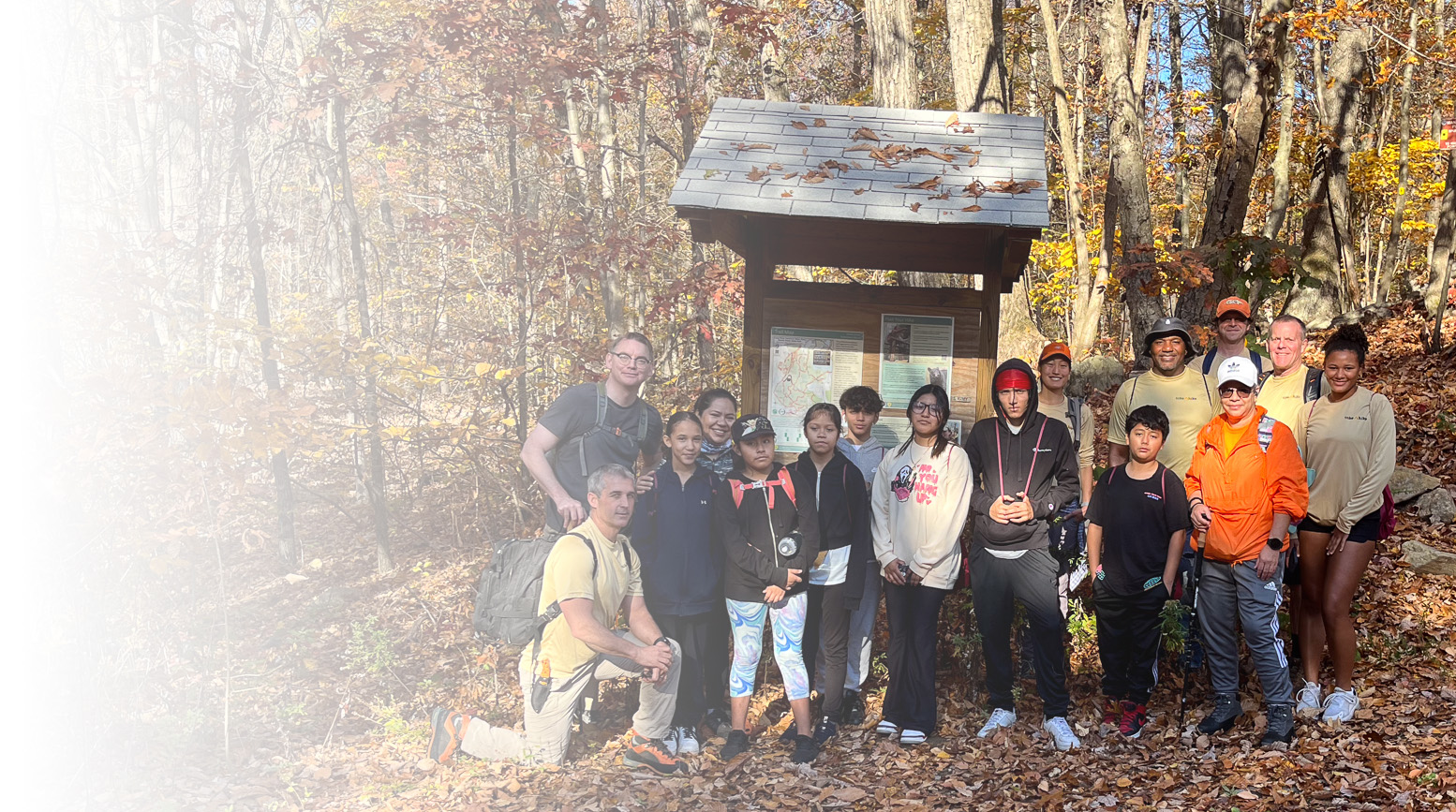
7 Expert Hiking Tips to Empower Your Trail Adventure
Embarking on your first hiking adventure can be both thrilling and intimidating. Whether you’re exploring a local trail or planning a weekend excursion, proper preparation can make all the difference. With the right mindset and practical hiking tips, hiking for beginners can be an enjoyable and empowering experience. Let’s dive into the top seven tips to help you feel confident on the trail.

1. Start with Beginner-Friendly Trails
When starting, selecting a trail that matches your fitness level and experience is crucial. Research trails in your area, paying attention to factors like distance, elevation gain, and terrain type. Many hiking apps and websites provide detailed trail descriptions and reviews to help you make an informed choice. Start with shorter, well-marked trails to build your confidence before attempting more challenging hikes. Remember, hiking for beginners is all about pacing yourself and enjoying the journey.
2. Gear Up Like a Pro
Having the right gear is essential for a comfortable and safe hiking experience. Invest in a good pair of hiking shoes or boots that provide support and grip suitable for the terrain you’ll encounter. Avoid wearing new shoes on your first hike to prevent blisters; instead, break them in beforehand. Lightweight, moisture-wicking clothing is ideal for regulating your body temperature and keeping you dry. Don’t forget to pack a hat, sunglasses, and sunscreen to protect yourself from the elements.
3. Prepare Smarter, Hike Safer
Preparation is key to feeling confident on the trail. Familiarize yourself with the trail map, weather forecast, and any potential hazards. Share your hiking plans with someone you trust, including details about your route and estimated return time. Pack essentials such as:
- A fully charged phone and portable charger
- Plenty of water and snacks
- A first-aid kit
- A multi-tool or knife
- A lightweight rain jacket or poncho
These basics ensure you’re ready for unexpected situations and can focus on enjoying your hike.
4. Pace Yourself for the Journey
Starting your hike early in the day allows you to avoid peak heat and crowds while providing ample time to complete the trail. For beginners, setting a comfortable pace is crucial. Resist the urge to rush; hiking is not a race. Take breaks as needed to rest, hydrate, and appreciate your surroundings. Gradually, you’ll build endurance and confidence to tackle longer trails.
5. Master Navigation Basics
Even on well-marked trails, knowing how to navigate is a valuable skill. Carry a physical map of the trail and familiarize yourself with key landmarks before setting out. While GPS devices and smartphone apps are helpful, they’re not foolproof. Battery life can be limited, and signal strength may vary in remote areas. Understanding how to use a compass and read a map ensures you won’t get lost, giving you peace of mind as you explore.
6. Be a Responsible Nature Lover
Hiking is a wonderful way to connect with nature, and it’s important to protect the environment for future generations. Follow the Leave No Trace principles:
- Carry out all trash, including food wrappers and biodegradable waste.
- Stay on designated trails to prevent damage to vegetation.
- Avoid disturbing wildlife and maintain a safe distance if you encounter animals.
By respecting nature, you’ll contribute to preserving the beauty of the outdoors and create a more enjoyable experience for yourself and others.
7. Boost Confidence with Each Step
Every hiking adventure is an opportunity to learn and grow. As a beginner, focus on celebrating small victories—whether it’s completing a trail, conquering a challenging uphill section, or simply enjoying the views. Over time, you’ll gain the skills and confidence to tackle more demanding hikes. Joining a hiking group or inviting friends to join you can also make the experience more enjoyable and less intimidating.
Best Tips for Hiking Beginners:
- Stay Hydrated and Fueled: Drink water regularly, even if you don’t feel thirsty, and pack energy-boosting snacks like nuts, trail mix, or granola bars.
- Pack Light: Avoid overpacking by sticking to essentials. A heavy backpack can lead to fatigue and strain.
- Be Weather-Ready: Weather conditions can change quickly, especially in mountainous areas. Dressing in layers allows you to adapt to changing temperatures.
- Listen to Your Body: If you feel tired or uncomfortable, don’t push yourself too hard. It’s okay to turn back or take extra breaks.
Why Hiking Is Worth the Effort
Hiking offers numerous benefits, from improving physical fitness to reducing stress and fostering a deeper connection with nature. For beginners, it’s an opportunity to step out of your comfort zone, develop new skills, and experience the joy of exploration. With these hiking tips, hiking for beginners can be a rewarding and confidence-boosting journey.
Final Thoughts
Starting your hiking journey might feel overwhelming, but with preparation, the right gear, and a positive attitude, you’ll soon find your stride. Remember to prioritize safety, respect nature, and enjoy the experience. By following these expert hiking tips, hiking for beginners becomes an adventure you’ll want to repeat again and again. Lace-up your boots, hit the trail, and discover the beauty that awaits you!