
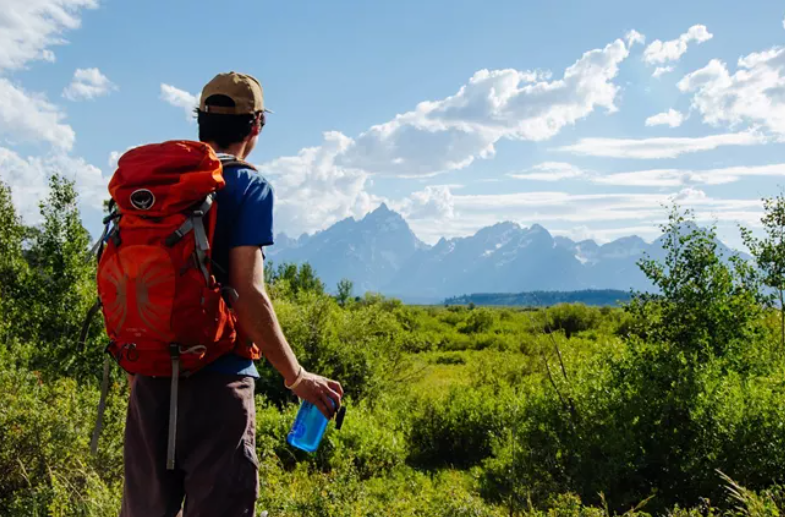
Take-A-Hike NJ 2026 is focused on creating more opportunities for young people to explore nature, build confidence, and enjoy safe outdoor experiences across New Jersey. Growth is not simply about organizing more hikes; it is about helping more children connect with nature, develop new skills, and feel supported in a positive outdoor environment.
In 2026, Take-A-Hike NJ is expanding with a stronger focus on youth programs, community partnerships, leadership development, accessibility, volunteer involvement, and long-term sustainability. Each step supports one central purpose: helping more children ages 8–17 experience safe, meaningful outdoor adventures across New Jersey.
The organization is building on real experience from previous hikes while carefully strengthening the programs and partnerships needed for the future.
Here are seven powerful ways Take-A-Hike NJ is moving forward in 2026.
1. How Take-A-Hike NJ 2026 Is Reaching More Young People?
One of the most important ways Take-A-Hike NJ can grow is through strong relationships with schools, youth organizations, nonprofits, and community groups.
For many children, especially those living in urban or underserved communities, visiting a forest trail is not as simple as deciding to go hiking on Saturday morning. Transportation, equipment, adult supervision, cost, and unfamiliarity with outdoor recreation can all become barriers.
That is why partnerships matter.
By working directly with organizations that already know and support local youth, Take-A-Hike NJ can create outdoor experiences that are safer, more welcoming, and easier to access.
The organization has already worked with community partners in northern New Jersey. Its previous activities have shown how small-group hikes can introduce young people to forests, scenic viewpoints, wildlife, and historical landscapes.
In 2026, expanding outreach to additional schools and community organizations is an important next step. These partnerships are an important part of Take-A-Hike NJ 2026 and its goal of reaching more young people.
This approach also builds trust. Instead of asking families or children to navigate an unfamiliar outdoor program alone, Take-A-Hike can work alongside educators, mentors, social workers, and community leaders who already understand their needs.
For a closer look at why this work matters, read Guiding Inner-City Youth on Their First Outdoor Adventures.

Take-A-Hike NJ youth hiking program in 2026
2. Growing After-School Hiking Opportunities
After-school hours can provide an ideal opportunity for children to step away from screens, move their bodies, and spend meaningful time outdoors.
For that reason, after-school hiking experiences are an important part of Take-A-Hike NJ’s growing program model.
A guided hike can provide something very different from a traditional classroom or after-school activity. On the trail, children can observe wildlife, ask questions, talk with one another, solve small challenges, and experience nature directly.
At the same time, hiking naturally creates opportunities to practice communication and teamwork.
A child might encourage another participant during a difficult section of trail. Someone else may help identify a trail marker or remind the group to stay together. These moments may seem small, yet they can help children develop confidence and responsibility.
Most importantly, the goal is not to turn every hike into a lesson.
Sometimes children simply need the opportunity to walk, explore, laugh, notice their surroundings, and enjoy being outside.
That balance between recreation and personal growth is at the heart of Take-A-Hike NJ’s approach.
3. Creating More Weekend Outdoor Adventures
Weekends offer another opportunity to make nature accessible to children and families.
While after-school programs can provide shorter experiences, weekend expeditions allow more time to explore local trails, learn outdoor skills, and build stronger connections within a group.
These experiences can also introduce young hikers to places they may never have visited before.
New Jersey offers forests, lakes, historic landscapes, wildlife areas, waterfalls, and miles of trails. Families can also explore official New Jersey State Parks and hiking trails when planning outdoor adventures. Yet access to those places is not equal for every child.
Take-A-Hike NJ helps bridge that gap by creating organized outdoor experiences where preparation, guidance, and support are part of the program.
Furthermore, group hiking can reduce the uncertainty that often prevents beginners from trying outdoor recreation.
Children do not need to arrive as experienced hikers. Instead, they can learn gradually while being surrounded by supportive adults and peers.
That sense of community is explored further in Join the Take-A-Hike NJ Club: Why Hiking Together Is Better.
Ultimately, a successful weekend adventure is not measured only by how many miles the group completes. It is measured by whether participants feel safe, included, curious, and proud of what they accomplished.

4. How Take-A-Hike NJ 2026 Builds Confidence and Leadership
Hiking creates leadership opportunities in a surprisingly natural way.
On a trail, children encounter real situations that encourage them to make decisions, communicate clearly, support teammates, and remain patient when something becomes challenging.
For example, a participant may help the group follow a trail marker. Another child may encourage someone who is tired. Others might work together to decide when the group needs a break.
These experiences allow leadership to develop without feeling like a formal lecture.
Equally important, leadership does not always mean being the person at the front of the group. It can mean listening, helping, staying calm, including others, or taking responsibility for a small task.
As Take-A-Hike NJ expands in 2026, leadership and teamwork can continue to be woven naturally into outdoor activities.
Over time, young participants can begin to recognize something important: they are capable of handling challenges.
That confidence can extend far beyond the trail.
5. Removing Barriers to Outdoor Participation
Getting children outdoors requires more than choosing a trail.
For some families and community organizations, the greatest challenges happen before the hike even begins.
Transportation may be difficult. A child may not own suitable footwear. Families may worry about food, equipment, supervision, or the cost of participating.
Take-A-Hike NJ’s approach recognizes those realities.
Its programs have helped address participation barriers through transportation assistance, meals and snacks, footwear support, program supplies, and adult supervision.
Continuing that work is essential as the organization grows.
After all, outdoor opportunities are only meaningful when children can actually access them.
Removing practical barriers also helps create an environment where participants can focus on the experience itself rather than worrying about whether they have the right equipment.
For beginners, preparation can make a major difference. Families who are starting their own outdoor adventures can also review 7 Expert Hiking Tips to Empower Your Trail Adventure.
Accessibility, therefore, is not an extra feature of the program. It is part of the mission.
6. Building a Stronger Volunteer and Community Network
As Take-A-Hike NJ reaches more young people, volunteers and community supporters become increasingly important. Volunteer support will also help Take-A-Hike NJ 2026 reach more children and strengthen future programs.
A successful youth hike depends on people who are willing to guide, supervise, organize, encourage, and support participants.
However, volunteering is about more than adding extra adults to a hiking group.
Strong volunteers help create the atmosphere of the program. They can welcome a nervous first-time hiker, answer questions, model responsible trail behavior, celebrate progress, and make sure no child feels left behind.
In addition, local supporters can contribute in many different ways.
Some may volunteer on hikes. Others may provide transportation assistance, equipment, meals, professional expertise, sponsorships, or connections with schools and youth organizations.
Consequently, Take-A-Hike NJ’s growth can become a community effort rather than the responsibility of one organization alone.
This is particularly valuable because outdoor experiences connect many different priorities: youth development, physical activity, emotional well-being, environmental education, community engagement, and inclusion.
Schools, businesses, nonprofits, outdoor organizations, and individual volunteers can all play a role.

7. Strengthening Take-A-Hike NJ 2026 for Long-Term Growth
Perhaps the most important expansion happening in 2026 is not visible from the trail.
Take-A-Hike NJ is also strengthening the organization behind its programs.
Key priorities include expanding outreach and partnerships, improving financial sustainability, increasing organizational capacity, and strengthening volunteer involvement.
These steps matter because sustainable growth requires structure.
More programs mean additional planning. More participants require careful supervision and safety procedures. New partnerships require communication and coordination. Meanwhile, transportation, food, equipment, insurance, and program supplies all require dependable funding.
Therefore, organizational development and program growth must move together.
Take-A-Hike NJ’s 2025 Impact Report provides a useful picture of the foundation being built for this next stage.
Behind every program number is a young person who had an opportunity to step into a different environment, discover something new, and experience nature firsthand.
Moving forward, stronger partnerships, volunteer systems, community support, and sustainable funding can help create those opportunities for even more children.
Why Take-A-Hike NJ’s Growth Matters
It is easy to think of hiking as simply recreation.
For children, however, time outdoors can become much more.
A trail provides room to explore without a screen. Challenging hills can teach children persistence and patience. Group hikes can also create new friendships and a stronger sense of connection. Seeing wildlife for the first time can spark curiosity that lasts long after the outing ends.
Most importantly, children gain experiences that become their own.
Take-A-Hike NJ does not need to make every outdoor moment dramatic. Sometimes the greatest impact comes from something simple: a child seeing a view they have never seen before, helping a friend over a rocky section, taking a photograph of something that caught their attention, or realizing that they completed a trail they initially thought would be too difficult.
Those moments are difficult to measure, but they matter.
Moving Forward, One Trail at a Time
The future of Take-A-Hike NJ is about thoughtful growth.
In 2026, that means reaching more young people, strengthening partnerships, expanding outdoor opportunities, encouraging leadership, removing barriers, growing the volunteer community, and building a stronger organization behind every hike.
There is still much more trail ahead.
However, growth does not have to happen all at once. Like hiking itself, meaningful progress happens one step at a time.
Every new partnership can open a door. Dedicated volunteers can provide encouragement and support. Donations can help remove barriers that prevent children from participating. Each hike can then give another young person the chance to experience New Jersey’s outdoors in a safe and welcoming way.
If you are a parent, educator, youth organization, community leader, volunteer, donor, or local business interested in helping more children experience the outdoors, learn more about Take-A-Hike NJ and its programs.
Together, we can help more young people discover what becomes possible when they are given the opportunity to step outside, explore, and reach new heights.