
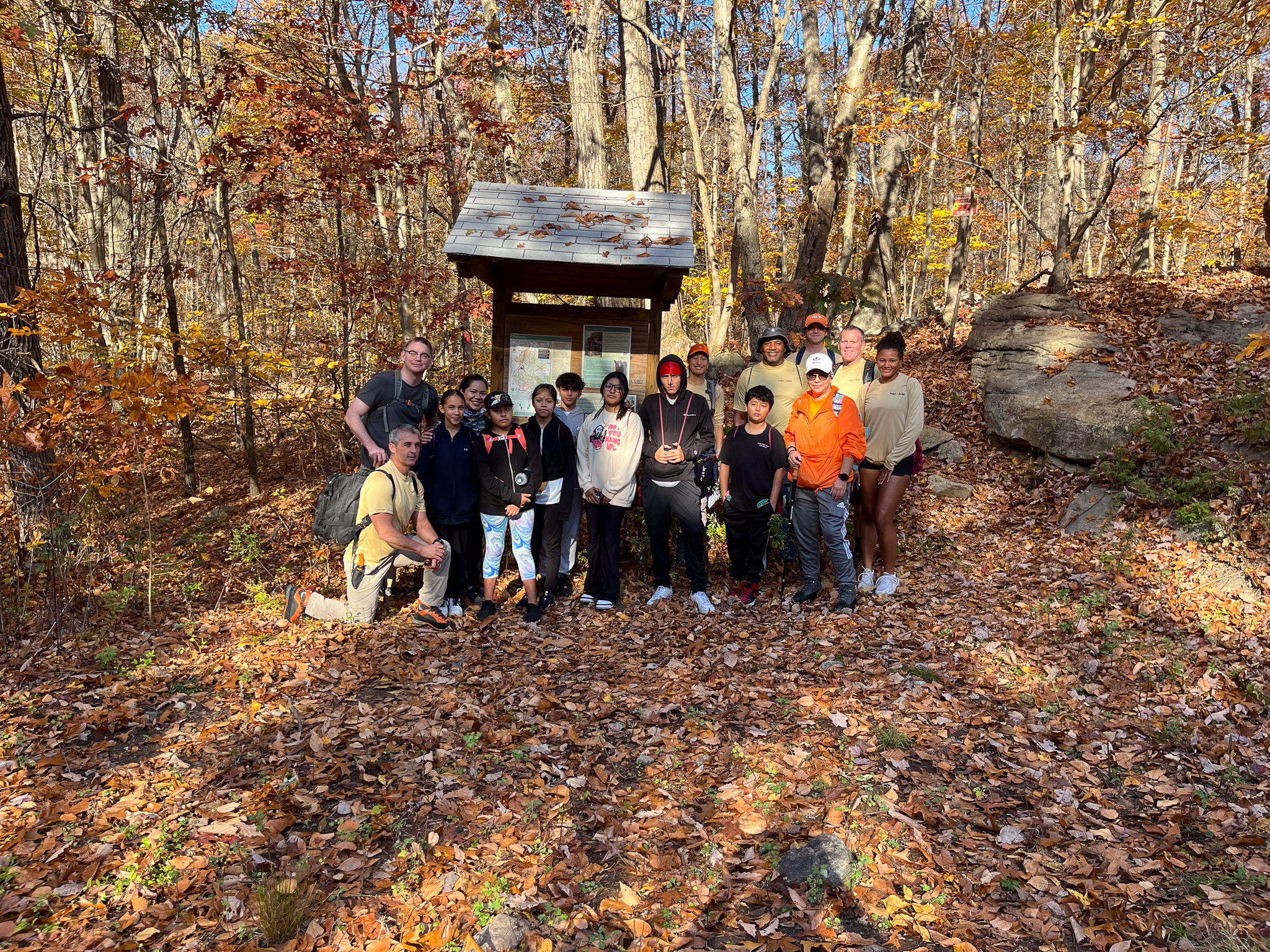
The health benefits of hiking go far beyond simply getting exercise. For kids, beginners, and families, spending time on the trail can support physical fitness, mental well-being, confidence, and meaningful connections with nature.
The health benefits of hiking can be especially valuable for kids, teenagers, families, and beginners who want to become more active without feeling pressured to participate in a competitive sport.
You do not need to climb a mountain or complete a difficult trail to experience the benefits. Even a comfortable walk through a local park, wooded path, or nature preserve can encourage movement, reduce everyday stress, and help people reconnect with the world around them.
For young people, hiking can also turn exercise into an adventure. Instead of focusing on repetitions, scores, or winning, they can explore new places, notice wildlife, talk with friends, and discover what they are capable of accomplishing.
Here are nine powerful ways hiking can support both the body and mind.
1. Health Benefits of Hiking for Physical Fitness
One of the most obvious health benefits of hiking is that it gets the body moving.
Walking along a trail requires the legs, core, and many smaller stabilizing muscles to work together. Hills, roots, rocks, and changing terrain can naturally make the body work harder than it would during an ordinary walk on a flat sidewalk.
However, hiking does not need to feel like a traditional workout.
That is part of what makes it appealing to beginners and young people. Instead of watching a clock or counting repetitions, hikers are moving toward a viewpoint, exploring a forest, following a stream, or simply enjoying time outdoors.
For children who may not enjoy organized sports, hiking can offer another way to stay active.
A short family hike or beginner-friendly trail can be a comfortable place to start. As endurance improves, hikers can gradually explore longer routes and slightly more challenging terrain.

2. Health Benefits of Hiking for a Healthier Heart
The health benefits of hiking include improved endurance and an opportunity to support overall cardiovascular fitness through regular physical activity.
Hiking is a form of cardiovascular activity because it keeps the body moving for an extended period of time.
When people walk uphill or travel across varied terrain, the heart and lungs naturally work harder to supply the body with the oxygen it needs. Regular physical activity can support overall cardiovascular fitness and help people build endurance over time.
The important thing is that beginners do not need to start with a difficult trail.
A gentle 30-minute walk can be a meaningful beginning. As people become more comfortable, they can increase their distance, pace, or elevation gradually.
For kids, this progression can happen naturally. They may begin with short nature walks and eventually become excited about completing longer trails.
Rather than focusing only on distance, families and youth programs can celebrate effort, consistency, and improvement.
3. Hiking Helps Build Strength and Balance
A hiking trail is rarely perfectly flat.
Roots, small rocks, hills, bridges, and uneven surfaces require hikers to constantly adjust their steps. As a result, hiking can help strengthen the legs while also encouraging balance and coordination.
Walking uphill works the legs differently than walking downhill. Meanwhile, navigating uneven ground requires concentration and body control.
These physical challenges can be particularly useful for children because they allow movement skills to develop in a natural environment.
Instead of completing repetitive exercises, young hikers may step over a fallen branch, climb a gentle hill, cross a small footbridge, or carefully walk around a muddy section of trail.
Each small challenge encourages awareness and movement.
For beginners, these experiences can also create a sense of progress. A trail that once felt difficult may begin to feel easier after several outings.
That improvement can be incredibly motivating.
4. Mental Health Benefits of Hiking for Everyday Stress
Physical health is only part of the story.
One of the most meaningful health benefits of hiking is the opportunity to spend time away from everyday distractions.
School schedules, work responsibilities, phones, social media, traffic, and constant notifications can make life feel overwhelming. A peaceful trail offers a completely different environment.
Instead of staring at a screen, hikers may hear birds, notice moving water, feel the breeze, or watch sunlight filter through the trees.
Those small experiences can create moments of calm.
Children and teenagers can benefit from this change of pace as well. Young people deal with academic pressure, social challenges, busy schedules, and digital distractions. Spending time outdoors gives them an opportunity to slow down and focus on what is happening around them.
Hiking does not solve every source of stress, but it can create valuable breathing room in a busy week.
5. Hiking Encourages Mindfulness Naturally
Mindfulness does not always require sitting quietly with your eyes closed.
Sometimes it happens while walking along a trail.
A child might notice the sound of leaves moving in the wind. Another hiker might stop to watch a bird land on a nearby branch. Someone else may become interested in the shape of a rock, the reflection on a lake, or the smell of pine trees.
These moments bring attention back to the present.
That is one reason hiking can feel mentally refreshing.
Nature constantly gives hikers something new to observe. The scenery changes around every turn, and different seasons create completely different experiences.
Programs can encourage this awareness by asking simple questions such as:
What sounds do you hear?
Which colors stand out around you?
Can you notice anything that has changed since your last visit?
Which part of the trail seems most interesting today?
Questions like these can transform an ordinary walk into a meaningful outdoor learning experience.

6. Hiking Can Build Confidence in Kids and Beginners
There is something powerful about reaching the end of a trail and realizing, “I did it.”
For a young person or beginner, completing a hike can create a genuine sense of accomplishment.
Confidence often develops through small victories.For kids and beginners, hiking can build confidence in a natural and encouraging way. Each completed trail, small hill, or new challenge can help young hikers feel more capable and proud of what they achieve outdoors.
Maybe a child walks farther than expected. Perhaps a teenager feels nervous about climbing a hill but completes it anyway. A beginner might successfully navigate a trail they once thought looked intimidating.
These experiences teach an important lesson: challenges can become manageable when they are approached one step at a time.
The goal does not need to be reaching the highest mountain.
Even completing a short trail can become meaningful when someone is trying something new.
Supportive adults, guides, parents, and volunteers can make these moments even more powerful by recognizing effort rather than focusing only on performance.
A simple comment such as “You kept going even when that hill was difficult” can reinforce perseverance and confidence.
7. Hiking Creates Opportunities for Real Social Connection
Hiking can also bring people together in ways that feel natural.
When people walk side by side, conversations often happen more easily. There is less pressure to maintain constant eye contact, and the shared experience gives everyone something to talk about.
Kids may discuss wildlife they spotted, laugh about a muddy section of trail, help each other climb a hill, or celebrate reaching a viewpoint together.
Those moments can strengthen friendships.
Group hiking also creates opportunities for teamwork.
Participants may help someone who is struggling, wait for slower hikers, share water, encourage each other, or work together to follow trail markers.
These simple actions help young people understand that outdoor adventures are often more enjoyable when everyone supports the group.
For children who sometimes struggle to connect in traditional social settings, nature can create a more relaxed environment for building relationships.
8. Hiking Gives Kids a Healthy Break From Screens
Technology is part of everyday life, and screens are not going anywhere.
However, everyone can benefit from occasionally stepping away from them.
Hiking creates a natural opportunity to do exactly that.
When children are exploring a trail, there is something happening around them constantly. They may discover an unusual tree, hear an unfamiliar bird, search for animal tracks, photograph wildflowers, or try to identify landmarks.
Their attention shifts from a digital environment to the physical world around them.
Parents do not necessarily need to ban phones completely.
Technology can even become part of the adventure when used intentionally. Kids can take photographs, identify plants, record wildlife observations, or track the distance they walked.
The key is making the outdoor experience the main attraction.
Over time, children may begin to realize that entertainment does not always need to come from a screen. Sometimes it can come from exploring somewhere they have never been before.
9. Health Benefits of Hiking That Support Healthy Habits
Perhaps one of the greatest benefits of hiking is that it can become a lifelong activity.
People can hike at many different ages and ability levels. Trails range from short, accessible paths to challenging mountain routes, which means the activity can grow with the person.
A child who begins with short nature walks may eventually become a teenager who enjoys weekend adventures.
A beginner who starts with a local park may later feel confident exploring state parks and longer trails.
The key is making the early experiences positive.
If beginners are pushed too hard, they may decide hiking is not for them. However, when trails are appropriate, the pace is comfortable, and the experience is supportive, people are much more likely to want to return.
Healthy habits often develop because an activity is enjoyable enough to repeat.
Hiking combines movement, exploration, nature, and personal achievement, which makes it easier for many people to see exercise as something enjoyable rather than something they are required to do.The health benefits of hiking can become even more meaningful when outdoor activity develops into a regular, enjoyable habit.
Why Hiking Is Especially Valuable for Kids
Children spend a significant amount of time learning inside classrooms and interacting with technology. Outdoor experiences give them another type of classroom—one where curiosity, movement, teamwork, and discovery happen naturally.
A challenging hill can teach patience.
Careful observation helps children notice things others may miss.
Working together on the trail can strengthen teamwork.
Continuing when the hike feels difficult can build resilience.
Most importantly, hiking gives children opportunities to discover their own abilities.
They may begin a hike uncertain about what lies ahead and finish feeling proud of what they accomplished.
Those experiences can stay with them long after the hike ends.
How Beginners Can Start Hiking Safely and Comfortably
Getting started does not need to be complicated.
Choose a trail that matches the experience and fitness level of the group. Beginners usually benefit from shorter routes with manageable terrain before moving on to longer or more challenging adventures.
Wear comfortable footwear and clothing appropriate for the weather.
Bring water, simple snacks, and any basic supplies needed for the length of the hike.
It is also important to check trail conditions and weather before leaving.
Most importantly, do not turn the first hike into a competition.
Take breaks when needed. Stop to enjoy the view. Let children investigate something interesting along the trail.
The goal should be creating an experience people want to repeat.

Making Hiking More Meaningful for Young People
Hiking can be more than just a walk outdoors it can help young people build confidence, curiosity, and stronger connections with others. With the right activities and support, every hike can become a meaningful learning experience.Try turning the hike into a photography challenge.
Ask participants to find five different types of leaves.
Look for signs of wildlife.
Encourage kids to choose their favorite part of the trail and explain why.
Older participants can take turns helping lead the group, reading trail markers, or reminding everyone when it is time for a water break.
These simple responsibilities can transform a walk through the woods into an experience that supports curiosity, independence, and leadership.
And sometimes the best moments are completely unexpected.
A child may become fascinated by a tiny frog beside the trail. A teenager may take a photograph they are proud of. Someone who was quiet at the beginning of the hike may become the person encouraging everyone else up the final hill.
Those are the moments that make outdoor experiences memorable.
The Health Benefits of Hiking Go Beyond Exercise
Hiking certainly provides physical activity, but its value can reach much further.
Time on the trail offers a healthy break from everyday distractions.
Being outdoors encourages people to notice and appreciate the world around them.
Shared hiking experiences can also create opportunities for conversation, teamwork, confidence, and exploration.
For kids and beginners especially, hiking can show that becoming healthier does not always require complicated routines or competitive sports.
Sometimes it simply begins with putting on a comfortable pair of shoes, stepping onto a trail, and discovering what is around the next corner.
Take the First Step Outdoors
You do not need to be an experienced hiker to begin.
Start with a comfortable trail. Invite a friend, family member, or group. Bring some water, take your time, and enjoy the experience rather than worrying about distance or speed.
For young people, those first outdoor adventures can become much more than exercise. They can become opportunities to build confidence, create friendships, discover nature, and develop memories that last for years.
At Take-A-Hike NJ, we believe outdoor experiences can give young people opportunities to move, explore, connect, and grow.
Sometimes a meaningful adventure begins with something incredibly simple:
One trail.
One group.
And one step forward.